My hands sweat regardless of the weather, and summer rounds used to be genuinely embarrassing. I’ve had a 7-iron slip mid-downswing. I’ve re-gripped (the manual kind, squeezing harder) so many times in a single round that my forearms were cooked by the 12th hole. Last summer I got fed up and regripped every club in my bag, all 13 of them, at home on the bench. Here’s what I put on, why, and exactly how I did it without wrecking a shaft.
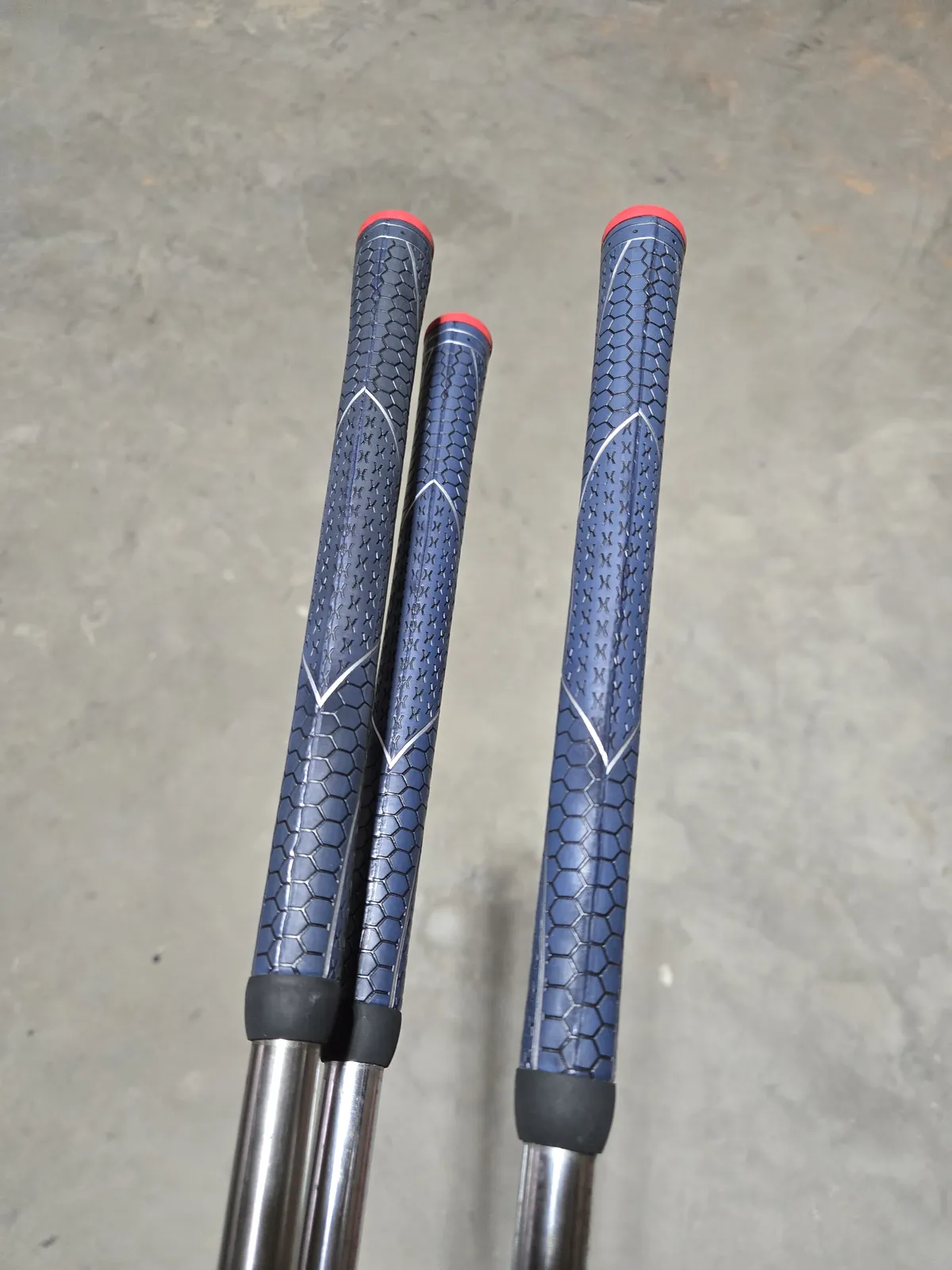
Quick answer: I went with the Winn Dri-Tac 13-pack plus the matching putter grip. The polymer gets tackier when wet instead of slippery, and after a full season they’ve done exactly that. The regrip itself took two afternoons and about $110 in grips and kit.
Why the Winn Dri-Tac
The Dri-Tac uses a soft, almost spongy polymer Winn calls WinnDry. The claim is that it gets tackier as it gets wet rather than slippery. That sounds like marketing copy, but I can confirm it: mid-round on a 90-degree day, these felt more secure at the end than at the start. There’s real cushioning too, noticeably softer than a standard rubber grip, which matters over 18 holes if your hands or elbows complain.
I bought the 13-piece bundle in standard size, and a separate Winn Dri-Tac Midsize Pistol putter grip because the putter wasn’t in the bundle and I wanted the same feel through the whole bag.
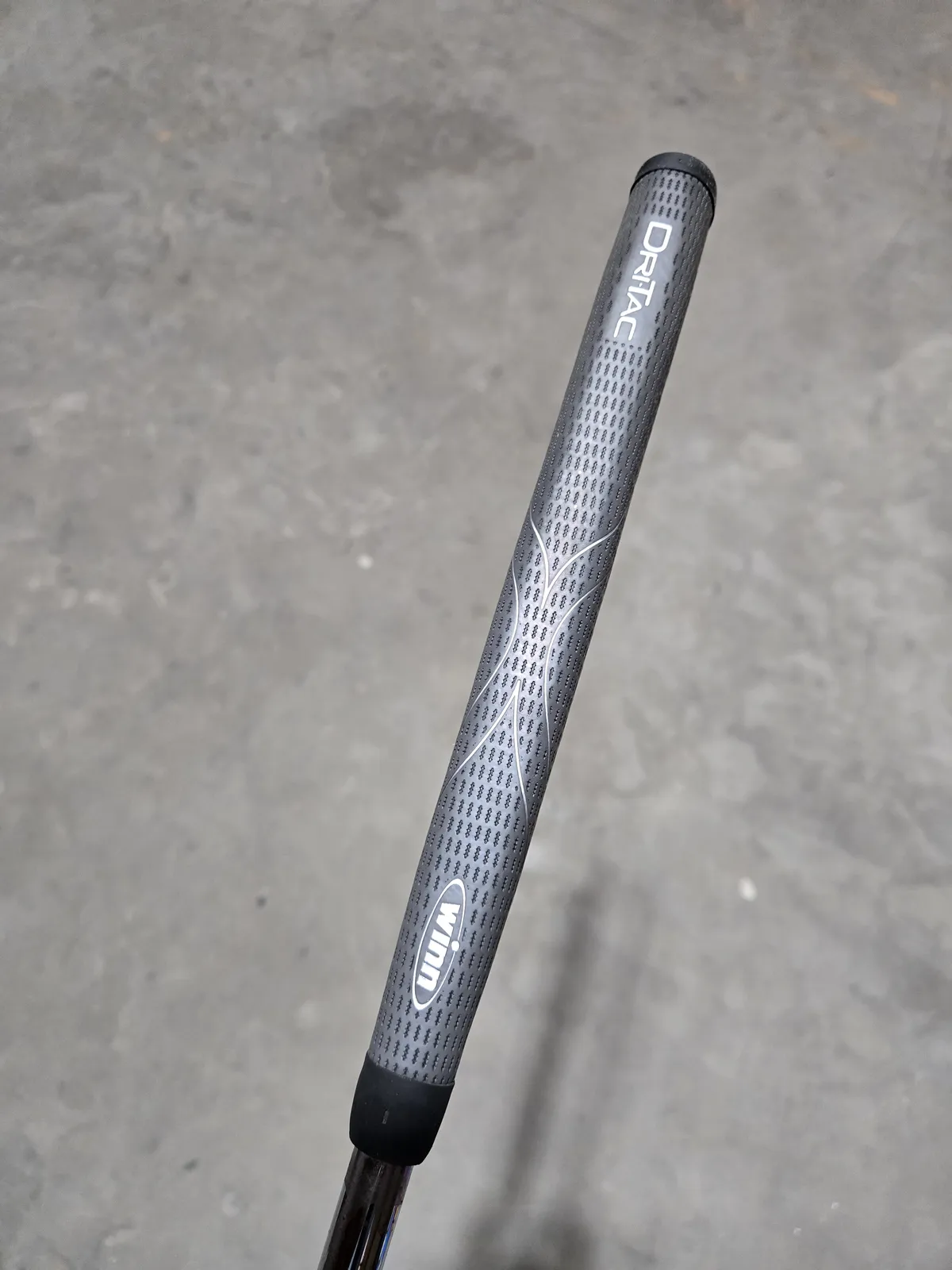
The one real drawback: the Dri-Tac wears faster than cord or firm rubber. If you play four times a week you’ll probably replace them every season. For a once-a-week player they hold up fine.
What I considered instead. Cord grips (Golf Pride’s ZGrip Cord and MCC, Lamkin’s UTx Cord) are the other standard answer for sweaty hands: the cotton cord holds when soaked. Guys I play with in the Georgia humidity swear by them. I didn’t go that way because cord is firm and rough on a bare top hand, and I wanted cushion. If you play gloveless and sweat heavily, cord is worth a look; if you want comfort, the Dri-Tac.
How I Regripped All 13 Clubs at Home
I did all 13 clubs over two afternoons, and it cost me a fraction of what a shop would charge. Here’s exactly how I did it, including the mistakes I almost made.
What You Need
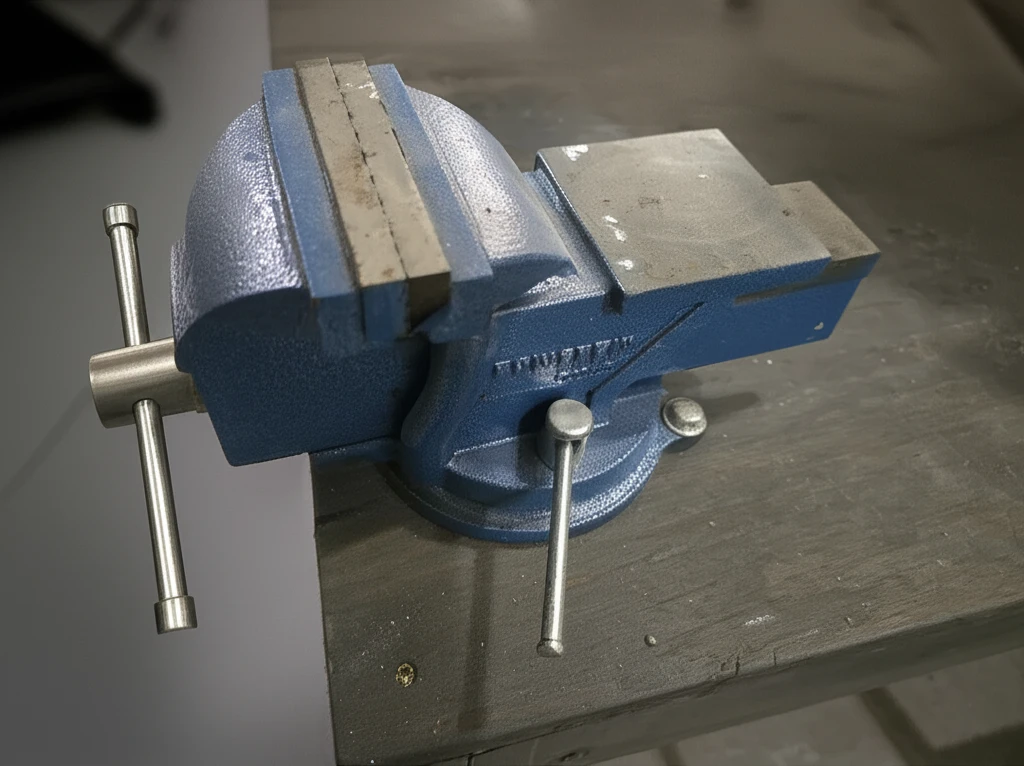
A regripping kit covers most of what you need. Look for one that includes grip tape strips (you’ll need at least 13), solvent, and a hook blade — make sure it’s a hook razor blade, not a straight blade, so you don’t gouge or damage your shafts. Any of the common kits on Amazon covers it. Most also include a rubber vise clamp that attaches to a workbench; I used the bench vise I already had, with the rubber shaft clamp in its jaws, which worked well.
For solvent, the kits come with grip solvent but you can also use mineral spirits — I’ve used both and they work the same. Buy more than you think you need. You’ll go through a lot doing 13 clubs, and running out mid-job is not fun.
One critical warning about the vise: do not over-tighten. I’m serious about this. If you crank down on a graphite shaft, you will crush it. The vise only needs to hold the shaft steady, not lock it in like you’re milling a part. Snug is plenty.
Pro tip: practice on a buddy’s clubs first before you do your own. If you mess something up, at least it’s not your problem. (I’m kidding. Mostly.)
Step-by-Step
1. Remove the old grip. Use the hook razor blade to score and peel off the old grip, then scrape off any old tape. The hook shape lets you cut away from the shaft instead of into it — much safer than a straight blade, especially on graphite.
2. Apply new grip tape. Wrap the tape in a spiral up the grip area, or use a single strip lengthwise — both work. Leave about half an inch of tape hanging over the end of the shaft; fold it down into the hole.
3. Prep the new grip with a tee. Stick a golf tee into the small hole at the butt end of the new grip. This serves two purposes: it plugs the hole so solvent doesn’t pour out the back when you fill the grip, and when you slide the grip onto the shaft, the tee lets just enough air in to equalize pressure so the grip slides on much easier. Without it, trapped air fights you the entire way.
4. Apply solvent — use the grip to pour it. This is the technique that makes everything smoother: pour solvent directly into the new grip (the tee keeps it from leaking out the bottom). Swirl it around to coat the entire inside. Then hold the grip over the taped shaft and pour the solvent out of the open end, right onto the fresh double-sided tape. Put a can or container underneath to catch the runoff — you can reuse that solvent for the next club instead of wasting it. Use plenty of solvent. The wetter everything is, the more time you have to work with.
5. Slide the grip on. Push it on in one smooth motion, all the way to the butt of the shaft. With the inside of the grip already wet and the tape soaked, it should glide on. The tee helps here too — it lets air flow in behind the grip as you push, instead of building up pressure that fights you.
6. Pull the tee and align before it sets. Once the grip is fully on, pull the tee out of the butt end. Now — quickly — this is the most important step with the Winn Dri-Tac specifically: the grip has a visible handprint pattern and alignment mark on it. You need to get that aligned to your clubface while the solvent is still wet. Once it dries — which happens faster than you’d expect — it’s set permanently. I rotated the grip to square the alignment mark, then left the club alone for a few hours before touching it.
7. Let them cure. I waited about 8 hours before playing. Some people say you can go sooner, but I didn’t want to risk it.
The whole process sounds involved, but by the 5th or 6th club I had a rhythm going. The solvent-in-the-grip technique and the tee trick together make it way less frustrating than the tutorials make it look.
Two Other Things That Help
Grips are the main fix. Two small additions: a rain glove (the synthetic-suede kind grips better wet, the opposite of leather), and a small textured grip towel to wipe the grip between shots. Neither is necessary once the grips are right, but both are cheap insurance on a muggy day.
Bottom Line
Regripping at home cost me about $110 for the grips, putter grip, and kit, versus a couple hundred to have a shop do it, and about three hours spread over two days. If you’re even mildly handy it’s worth doing yourself, and once you’ve done the tee trick and the solvent-through-the-grip pour on a couple of clubs, the rest go fast.
One last thing: if your grips are more than two years old and you play regularly, they’re part of the problem regardless of sweat. Old rubber gets hard and slick. Fresh grips make a noticeable difference even without moisture-specific material, and now that I’ve done it once I won’t pay a shop to do it again.
Frequently Asked Questions
Can you regrip golf clubs yourself?
Yes. I did all 13 clubs over two afternoons with a basic regripping kit and a bench vise. The two tricks that make it easy are a golf tee in the grip's vent hole while you slide it on, and pouring the solvent through the new grip onto the tape instead of splashing it on separately.
Do you need a vise to regrip golf clubs?
A vise makes it much easier but a rubber shaft clamp in any vise is enough — you only need the shaft held steady. Do not crank it down; a graphite shaft will crush. Snug is plenty.
How often should you replace golf grips?
If you play once a week, every 1-2 years. If you play 3+ times a week, annually, especially with softer grips like the Winn Dri-Tac that wear faster. If the grip feels smooth or hard instead of tacky, it's time.
What golf grips are best for sweaty hands?
The Winn Dri-Tac has worked for me — the polymer gets tackier with moisture instead of slick, which is the opposite of a standard rubber grip. The trade-off is that it wears faster than cord or firm rubber. Cord grips are the other common answer; they hold when soaked but are firm and rough on bare hands.
How long after regripping can you play?
I waited about 8 hours. The solvent has to fully flash off or the grip can twist on the shaft. Overnight is the safe answer.
Products Mentioned in This Article

Winn Dri-Tac Golf Grips 13-Pack
The grips on every club in my bag. Soft WinnDry polymer that gets tackier when wet instead of slippery. The 13-pack in standard size did all my irons, woods, and hybrids.
- Gets tackier with moisture — I've felt it mid-round on 90-degree days
- Soft cushioning is easier on the hands over 18 holes
- 13-pack covers a full bag regrip
- Wears down faster than cord or firm rubber grips
- Needs replacing every season for frequent players
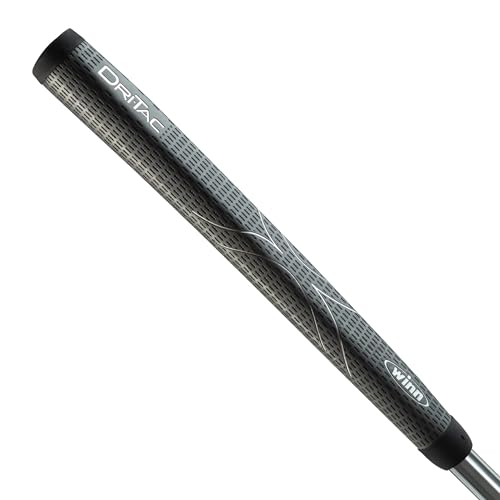
Winn DriTac Midsize Pistol Putter Grip
The putter grip I bought to match — same tacky DriTac material as the club grips, midsize pistol shape.
- Same moisture-wicking material as the club grips
- Matches the rest of the bag so every club feels the same
- Not included in the 13-pack — separate purchase
- Softer material wears faster than rubber putter grips
Prices shown were retrieved from Amazon on Oct 8, 2026, 2:37 PM UTC. Product prices and availability are accurate as of the date/time indicated and are subject to change. Any price and availability information displayed on Amazon at the time of purchase will apply to the purchase of this product.