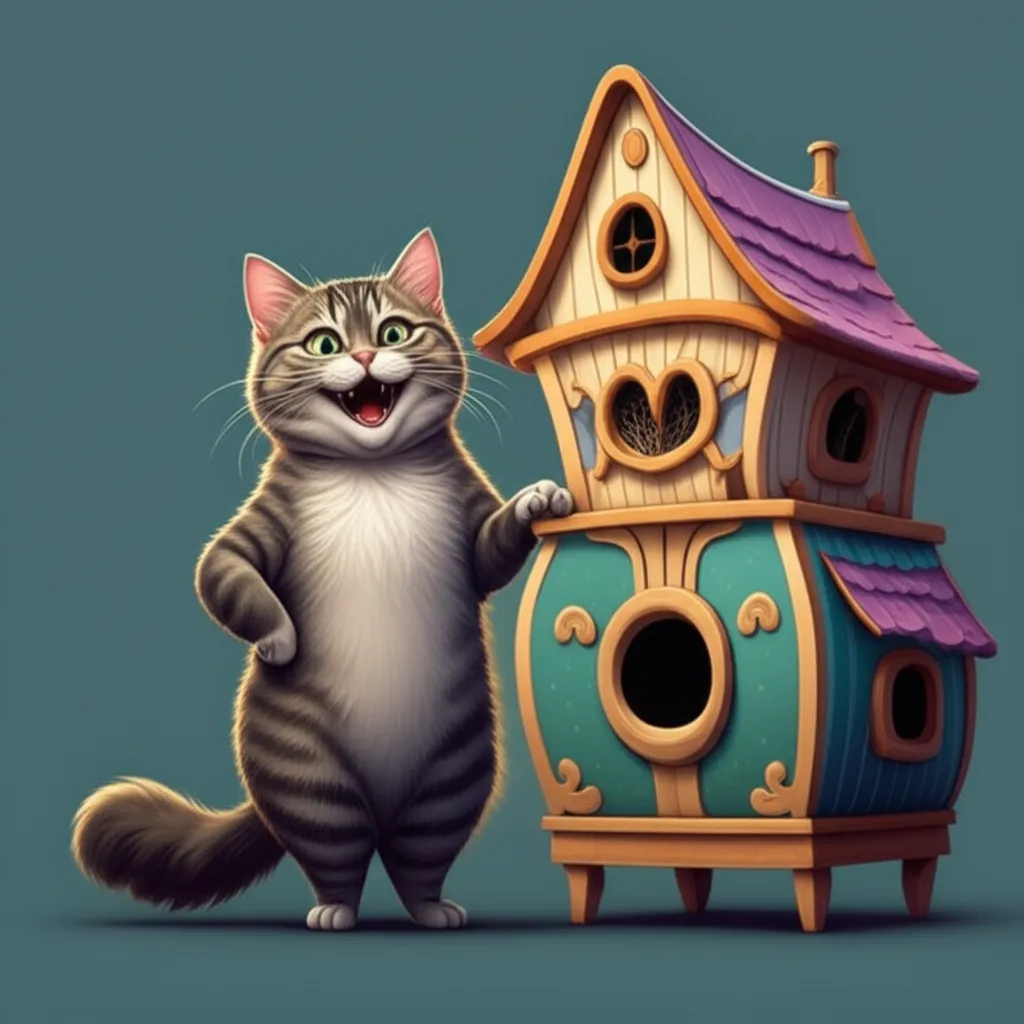
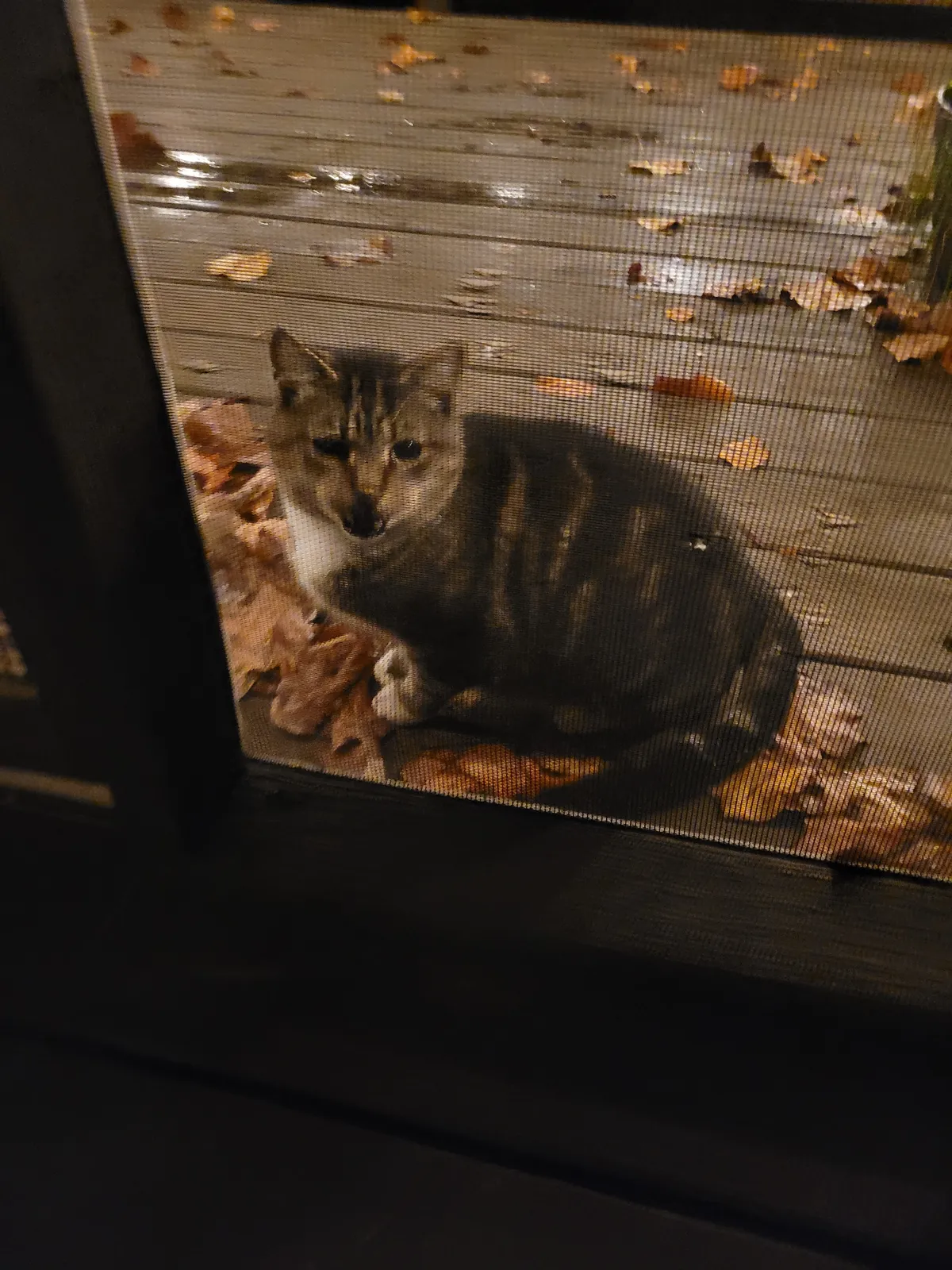
We had an outdoor cat named Chonk for about six years. He was an older tabby who showed up one winter and never quite left — but he also never quite came inside. Some cats are like that. They’ve been on their own long enough that indoor life doesn’t suit them, and it would feel wrong to force it. So we did the next best thing: we made sure he had a warm, dry place to sleep through every winter.
The heated cat house we bought lasted five full winters of rain, snow, leaves, and one very stubborn cat. Here’s everything I learned about keeping an outdoor cat warm, what products actually held up, and some mistakes to avoid.
Quick answer: The K&H Pet Products Outdoor Heated Cat House (Extra-Wide) is the one I’d buy again without hesitation. It lasted 5 winters, the heated pad only runs when the cat is inside, and the two-door design gives outdoor cats the escape route they need to feel safe.
The Heated Cat House That Lasted 5 Years
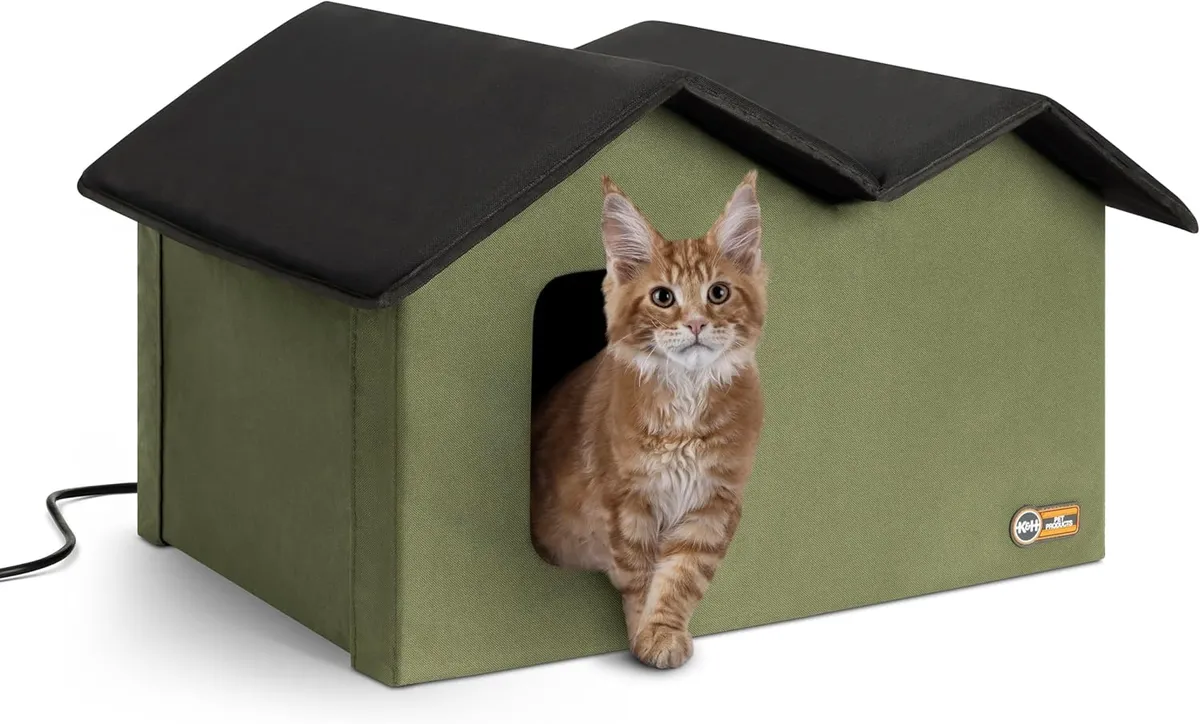
The K&H Pet Products Outdoor Heated Cat House (Extra-Wide) Check price on Amazon is the one I’d recommend without hesitation. We bought ours and it survived five winters on our back deck with minimal maintenance.
Here’s what makes it work:
The heated pad only turns on when the cat steps on it. This was a big deal for us. It’s not running 24/7 burning electricity — the thermostatically controlled pad activates when it senses the cat’s body weight. Chonk would walk in, settle down, and the pad would warm up to his body temperature. When he left, it powered back down. Simple and efficient.
It’s genuinely weatherproof. The 600-denier nylon exterior handled everything our Alabama weather threw at it — rain, freezing temps, summer humidity. Five years and the fabric never tore or degraded significantly.
Two doors matter more than you think. The extra-wide model has a front entrance and a rear exit. This is critical for outdoor cats because they need an escape route. If another animal comes to the front door, your cat can bolt out the back. Chonk was a cautious cat, and I genuinely don’t think he would have used a single-door shelter — he needed to know he could get out.
It fits large cats. The extra-wide model is 26.5 x 21.5 x 15.5 inches. Chonk was not a small cat (hence the name), and he had plenty of room to stretch out.
Practical Tips from 5 Years of Use
We learned a few things the hard way that I want to pass on:
Point the Door Toward an Escape Route
Position the cat house so the exits face somewhere your cat can quickly get away. For us, that meant pointing it toward the edge of the deck so Chonk could jump off if something spooked him. Don’t put it in a corner where the cat feels trapped — an outdoor cat won’t use a shelter they can’t escape from quickly.
Remove One Door Flap at First
The K&H house comes with vinyl door flaps to keep heat in. We took one flap off initially so Chonk would actually go inside — he was suspicious of it at first and wouldn’t push through the flap. We planned to put it back on once he was used to the house, but honestly, we never did. Even without the flap, the heated pad and insulated walls kept it plenty warm inside. After five years, the only maintenance issue we had was leaves blowing in because of that missing flap — and even that was just an occasional sweep-out.
Don’t Overdo the Food
This is important: don’t leave a ton of food near the cat house. A big pile of cat food sitting out overnight will attract raccoons, possums, and other animals — which is the last thing you want near your cat’s shelter. We’d put out just enough food for Chonk to eat in one sitting, usually in the morning and evening. If there was food left over after 30 minutes, we’d bring it inside.
Unplug It in Summer (Or Don’t)
We unplugged the heated pad during summer months. Honestly though, cats are heat-seekers by nature, so a heated pad in warm weather wouldn’t hurt anything — it’s thermostatically controlled and won’t overheat. We just figured there was no point running electricity to it when it was 90 degrees outside. Chonk still used the house as a regular shelter in summer, just without the heat.
Other Products Worth Considering
Heated Water Bowl
In freezing weather, water matters as much as shelter. The K&H Thermal-Bowl (96 oz) Check price on Amazon keeps water from freezing using just 25 watts. It’s thermostatically controlled — same idea as the heated pad. The steel-wrapped cord prevents chewing, which matters when you’re dealing with outdoor animals. We kept one on the deck near Chonk’s house and it worked every winter without issue.
Heated Food and Water Station
If you want an all-in-one solution, the K&H Thermo-Kitty Cafe Check price on Amazon is a heated base with two stainless steel bowls — one for food, one for water. The heated base prevents both from freezing. It’s a convenient setup if you don’t want to manage separate heated bowls. The stainless steel bowls are easy to clean, which matters when you’re doing this daily.
Standalone Heated Pad
If you already have an unheated cat shelter or want to add heat to a DIY setup, the K&H Extreme Weather Heated Kitty Pad Check price on Amazon is the same thermostatically controlled pad that comes inside the K&H house, sold separately. It heats to your cat’s body temperature when they lie on it and powers down when they leave. At 12.5 x 18.5 inches, it fits inside most cat shelters and insulated storage bins — which is another popular DIY approach for outdoor cat shelter.
The DIY Route: Building a Cat House
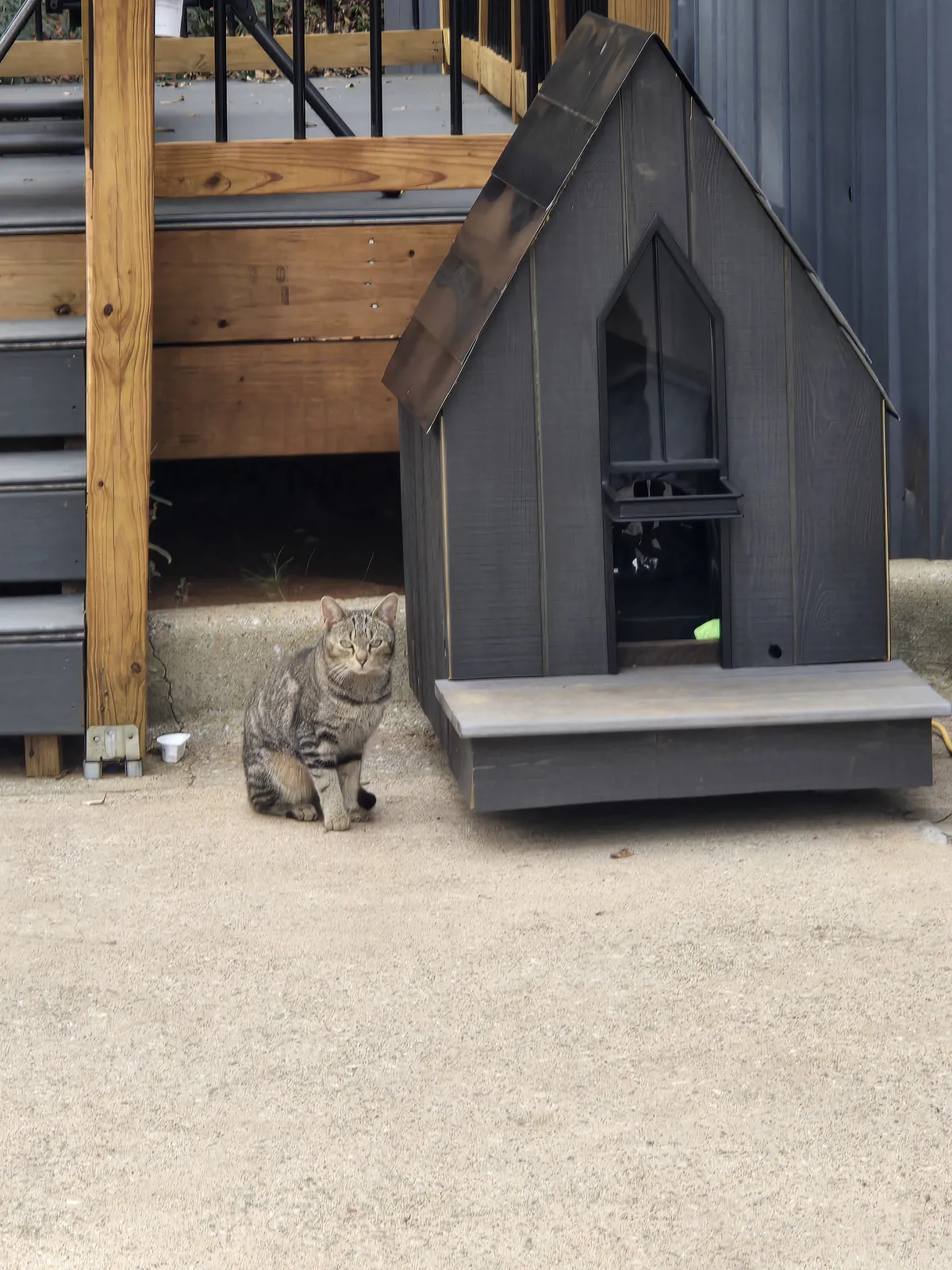
We also built a custom wooden cat house for a friend’s outdoor cat. It’s more work, but if you’re handy, a DIY cat house can be sturdier and better-looking than a fabric shelter.
The key things to get right with a DIY build:
- Insulation — Line the inside with rigid foam insulation board (the pink or blue sheets from any hardware store). This makes a bigger difference than you’d think.
- Raised off the ground — Even a few inches of elevation keeps the floor dry and reduces heat loss to cold ground.
- Two exits — Same principle as the K&H house. Outdoor cats need to feel like they can escape.
- Sloped roof — Keeps rain and snow from pooling on top.
- Small entrance — Just big enough for a cat, not big enough for a dog or raccoon. About 6 inches wide is usually right.
You can drop a K&H heated pad inside a DIY house for the best of both worlds — custom shelter with reliable, safe heating.
A Note on Outdoor Cats
I want to be honest about something: caring for outdoor cats isn’t a perfect situation. In an ideal world, every cat would be safe indoors. But reality is messier than that. Chonk was an older cat who had lived outside his entire life. Trying to force him indoors would have stressed him out more than the cold ever did. Some cats — especially older ones who have been on their own for years — genuinely don’t adapt to indoor life, and it would feel wrong to rob them of their freedom.
What you can do is make their outdoor life as comfortable and safe as possible. A heated shelter, fresh water that doesn’t freeze, regular meals, and keeping an eye on their health goes a long way. If you’re caring for a long-haired outdoor cat, grooming them regularly is especially important — matted fur loses its insulating ability, which defeats the purpose of a warm shelter. Chonk had a good life on our deck for six years, and the heated cat house was a big part of that.
If you do bring an outdoor cat indoors eventually, you’ll need a litter box setup — our guide to building a hidden litter box cabinet covers exactly how to do that without it taking over your house. And if your indoor cats are causing furniture problems, we’ve got a full guide on how to keep cats off furniture that covers what actually works. Don’t forget hydration — a stainless steel cat water fountain is one of the cheapest things you can do for your cat’s long-term kidney health.
Product Comparison
| Product | Type | Rating | Best For |
|---|---|---|---|
| K&H Extra-Wide Heated Cat House | Heated shelter | ★★★★½ | Primary outdoor cat shelter |
| K&H Extreme Weather Heated Pad | Heated pad | ★★★★ | Adding heat to DIY shelters |
| K&H Thermal-Bowl 96 oz | Heated water bowl | ★★★★½ | Preventing water from freezing |
| K&H Thermo-Kitty Cafe | Heated food/water station | ★★★★ | All-in-one feeding setup |
Frequently Asked Questions
How cold is too cold for an outdoor cat?
Most cats can handle temperatures down to about 45°F comfortably. Below 32°F, they need a heated shelter. The K&H heated pad I use activates when the cat sits on it and warms to their body temperature — it’s not blasting heat, just keeping them warm enough to be safe through freezing nights.
Do outdoor cats actually use heated cat houses?
Chonk used his every single cold night for five years. The key is removing one door flap initially so the cat can see through the shelter and doesn’t feel trapped. Position it with a clear escape route. Most outdoor cats will investigate an open shelter within a few days.
How much electricity does a heated cat house use?
The K&H heated pad uses about 40 watts when active, and it only turns on when the cat is actually sitting on it. That’s roughly the same as leaving a light bulb on. We never noticed a difference in our electric bill.
Can I put a heated pad in a DIY cat house?
Absolutely — the K&H Extreme Weather Heated Kitty Pad is the same thermostatically controlled pad sold separately. It fits inside most cat shelters and insulated storage bins. Just make sure the shelter has some insulation (rigid foam board works great) and proper ventilation.
Bottom Line
If you’re taking care of an outdoor cat through winter, the K&H Extra-Wide Heated Cat House is the single best investment you can make. It worked for us for five years with almost no maintenance, Chonk used it every single cold night, and the thermostatically controlled heating means you’re not burning electricity when the cat isn’t in it.
Pair it with a heated water bowl so your cat always has unfrozen water, don’t leave excess food out overnight, and make sure the shelter is positioned with a clear escape route. That combination kept our outdoor cat warm, fed, and safe through every winter — and honestly, it gave us peace of mind too.
Products Mentioned in This Article

K&H Pet Products Outdoor Heated Cat House Extra-Wide
Weatherproof heated cat shelter that lasted 5 winters on our back deck with a thermostatically controlled pad.
- Heated pad only turns on when the cat steps on it — efficient and safe
- 600-denier nylon exterior survived 5 years of rain, snow, and humidity
- Two-door design gives outdoor cats a critical escape route
- Extra-wide model fits large cats comfortably
- A significant upfront investment
- Door flaps may need to be removed initially for cautious cats
- Leaves can blow in if you remove the door flap

K&H Thermal-Bowl 96 oz
Thermostatically controlled heated water bowl that keeps outdoor cat water from freezing.
- Uses only 25 watts to keep water unfrozen
- Steel-wrapped cord prevents chewing by outdoor animals
- Worked every winter without issue for years
- Requires a nearby outdoor power outlet

K&H Thermo-Kitty Cafe
All-in-one heated base with two stainless steel bowls for food and water that prevents freezing.
- Convenient all-in-one food and water heated station
- Stainless steel bowls are easy to clean
- Heated base prevents both food and water from freezing
- Costs more than buying a separate heated bowl
- Requires managing a power cord near food and water

K&H Extreme Weather Heated Kitty Pad
Standalone thermostatically controlled heated pad for adding warmth to any DIY or unheated cat shelter.
- Same quality heated pad that comes inside the K&H house, sold separately
- Heats to cat's body temperature and powers down when they leave
- Fits inside most cat shelters and insulated storage bins
- At 12.5 x 18.5 inches, may be too small for very large shelters
- Requires a weatherproof shelter around it for outdoor use
Prices shown were retrieved from Amazon on Oct 8, 2026, 2:37 PM UTC. Product prices and availability are accurate as of the date/time indicated and are subject to change. Any price and availability information displayed on Amazon at the time of purchase will apply to the purchase of this product.