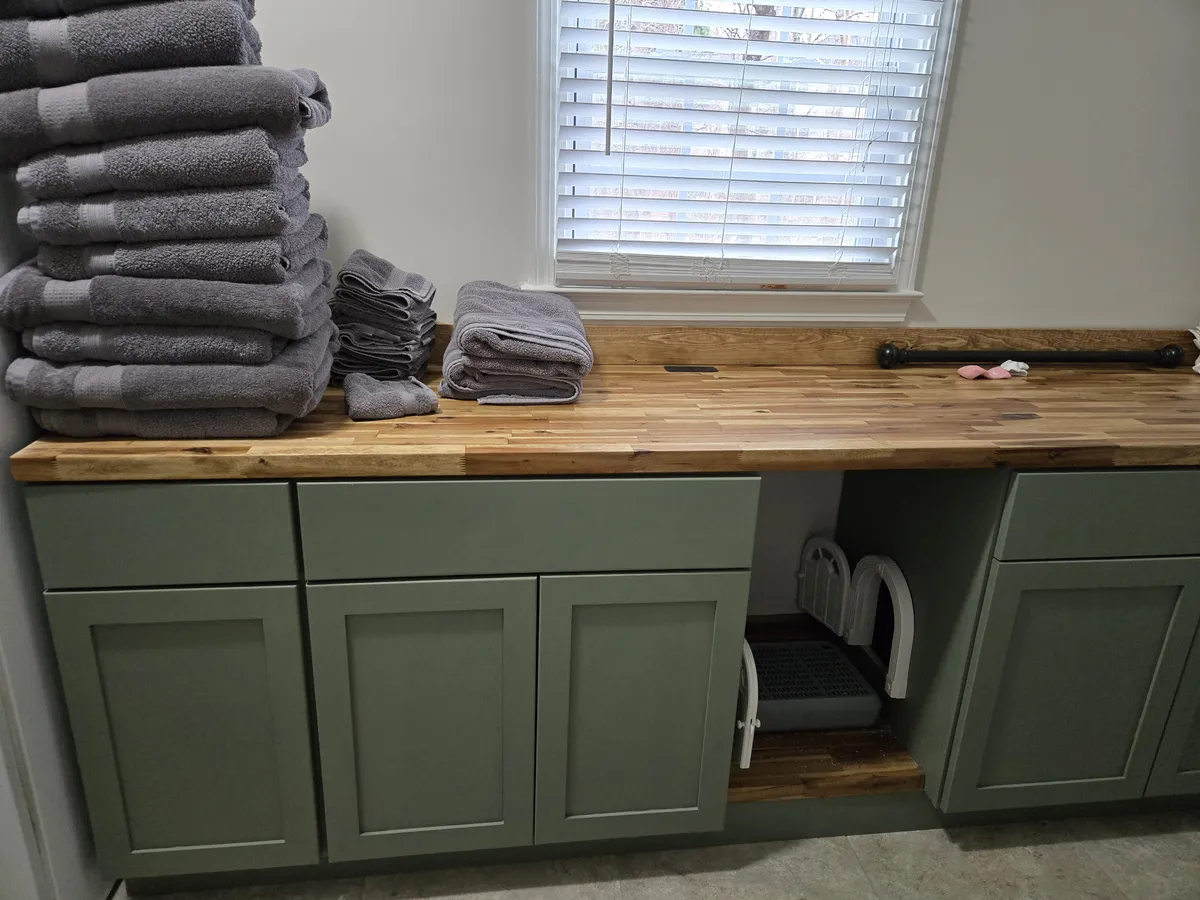
After years of having litter boxes sitting out in the open — and years of my wife and I saying “we really need to do something about that” — I finally built a proper hidden litter box cabinet in our laundry room. Two months in, I can say it was absolutely worth the effort, and I want to walk you through exactly how I did it, what products I used, and what I’d change if I were starting over.
Quick answer: The best hidden litter box setup uses stainless steel boxes (not plastic — they absorb odor), cat doors without flaps for easy acceptance, and cabinet liner to protect the interior. All three cats started using my build on day one.
We have three cats: Billy, Xena, and Mr. Kitty. Three cats means a lot of litter boxes, and for a long time that meant three plastic boxes sitting wherever we could shove them. The smell wasn’t catastrophic, but it was always there. I knew we could do better.
Why We Finally Built a Hidden Litter Box Cabinet
The honest answer is that we were already redoing our laundry room with custom sage green shaker cabinets and a butcher block countertop. I looked at the cabinet layout and realized we had two lower cabinet compartments that were basically wasted space — and I thought, why not convert those into litter box stations?
The timing was actually ideal. Because the cats still had access to their existing boxes during the entire build, there was no pressure to rush. I could work at a reasonable pace without stressing about disrupting their routines. Even so, Billy in particular seemed very interested in inspecting my work every single day, which I appreciated.
The other motivator was smell. Open litter boxes in a laundry room with limited airflow aren’t a great combination. I was confident that tucking the boxes inside cabinets — even with cat doors cut in — would dramatically cut down on ambient odor. (Spoiler: it did.) If you’re also dealing with cats on your furniture, solving the litter box situation first often helps — cats that are happier with their bathroom are generally less destructive elsewhere.
What You Need: The Full Product List
Before I get into the build, here’s a full rundown of everything I used or currently use to maintain the setup. I’ll go deeper on the most important items in the sections below.
| Product | Rating | What It’s For |
|---|---|---|
| KITCATY XXL Stainless Steel Litter Box | ★★★★½ | Main litter box (28”x20”x12”) |
| AIPERRO XL Enclosed Stainless Steel Litter Box | ★★★★½ | Second cabinet station |
| Purrfect Portal Meow Manor XL Cat Door | ★★★★½ | Entry holes in cabinet side panels |
| Polarduck Honeycomb Litter Mat | ★★★★ | Catches tracked litter |
| Gorilla Grip Peel & Stick Cabinet Liner | ★★★★ | Protects cabinet interior walls |
| WePet Aluminum Alloy Litter Scoop | ★★★★ | Daily scooping |
| Tidy Cats 24/7 Clumping Litter | ★★★★ | Daily litter |
| Arm & Hammer Cat Litter Deodorizer | ★★★★ | Extra odor control |
| Rocco & Roxie Enzyme Eliminator | ★★★★ | Accidents elsewhere |
The list above is the whole functional setup; the cabinet build itself is extra.
Why Stainless Steel Litter Boxes Changed Everything
I want to spend some real time on this because it’s the piece of the puzzle I wish I’d figured out years earlier.
We used plastic litter boxes for the entire time we’ve had cats. And here’s the problem with plastic that nobody really talks about: it’s porous. Even if you’re cleaning your box regularly, plastic absorbs odors over time and gets microscopic scratches from your cats’ claws that trap bacteria. After a year or two, a plastic box starts to smell even when it’s technically clean.
Stainless steel doesn’t do that. The surface stays non-porous, cleans completely with a wipe-down, and doesn’t hold onto smell the way plastic does. I noticed the difference within the first week.
I’m running two different stainless steel boxes in this setup. The KITCATY XXL Check price on Amazon lives in the larger of the two cabinet stations. It’s 28 inches by 20 inches by 12 inches tall — genuinely huge, which matters because Xena is not a small cat and she needs room to maneuver. It’s not cheap, but I’ve already had it two months with no odor retention issues and it shows zero signs of wear. My one gripe: the high sides make it slightly awkward to scoop over the edge, so positioning your scoop holder matters.
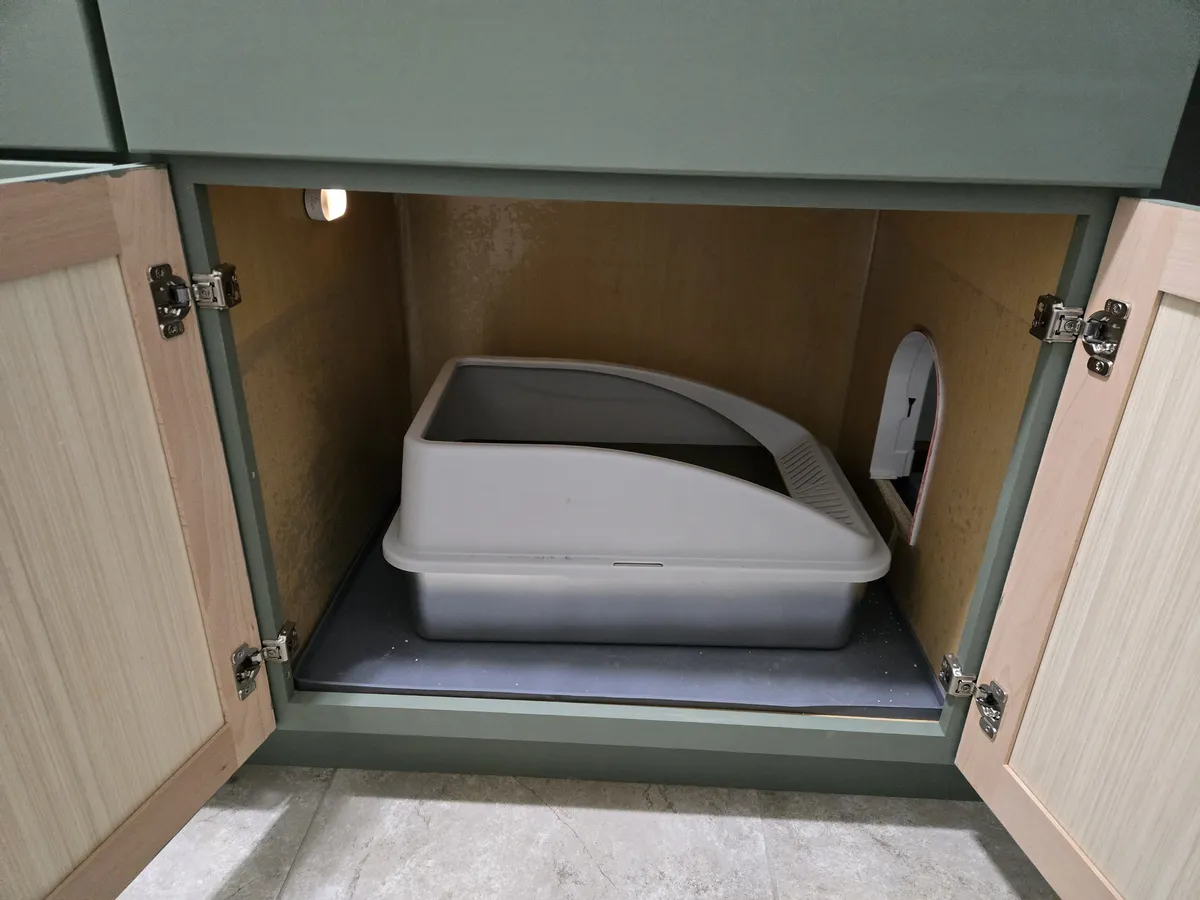
The AIPERRO XL Enclosed Stainless Steel Litter Box Check price on Amazon goes in the second, slightly smaller cabinet. Because this one has its own hood, it adds an extra layer of odor containment — useful since that cabinet has a bit less airflow than the main one. It’s priced comparably to the KITCATY, and together these two boxes handle all three cats without issue.
If you’re still using plastic boxes and wondering why your laundry room or bathroom always smells vaguely of cat even after cleaning, this is almost certainly why. Making the switch is the single best thing I did.
The Build: Step by Step
The actual construction was less intimidating than I expected. Here’s what the process looked like:
1. Identify your cabinet compartments. I was working with two lower cabinet sections that had existing doors. The interiors were big enough to comfortably fit a large litter box with a little room to spare.
2. Plan the entry points. Rather than having the cats enter from the cabinet doors (which I wanted to keep functional), I cut entry holes into the side panels of each cabinet. This meant the cats enter from the neighboring cabinet compartment — so you open the center cabinet and see two cat doors facing each other on the left and right walls. It looks surprisingly intentional.
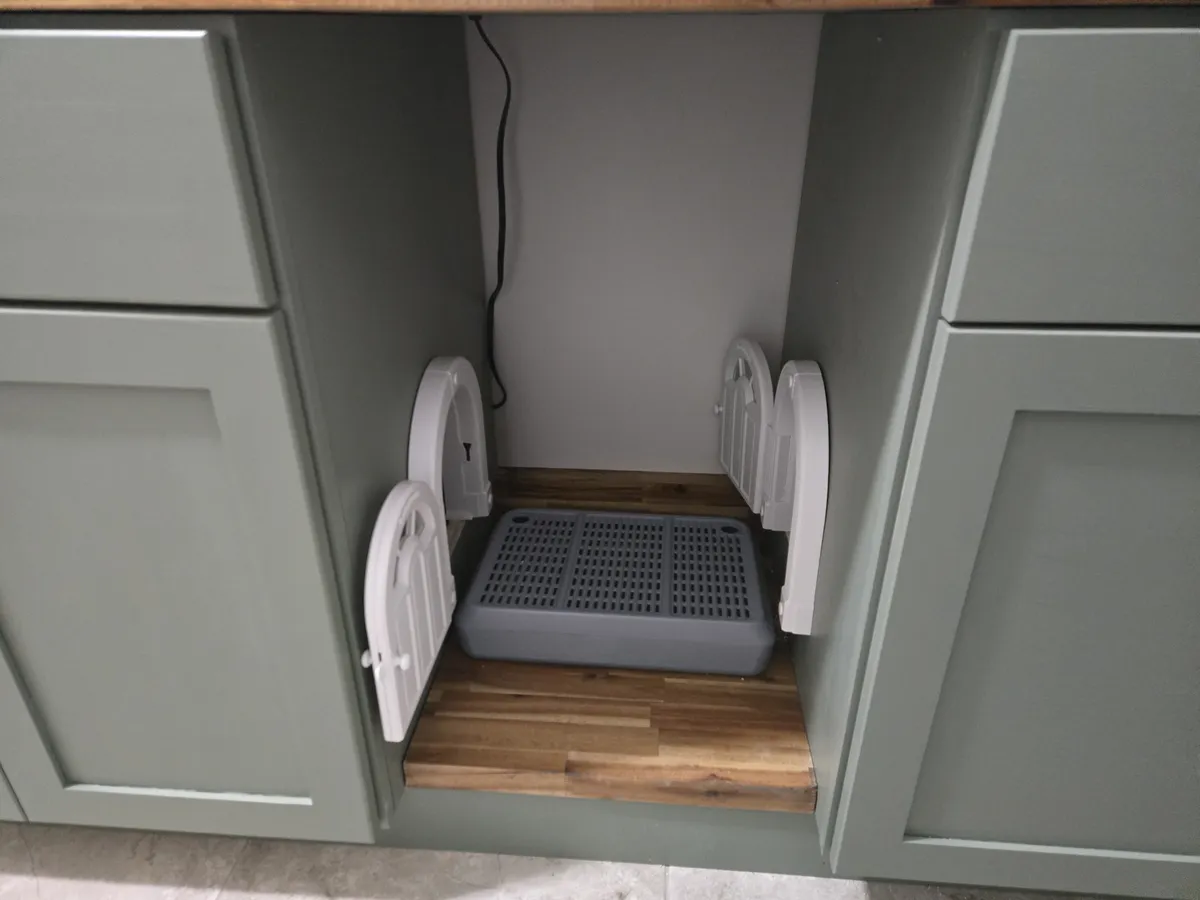
3. Cut the holes and install the cat doors. I used a Purrfect Portal Meow Manor XL Check price on Amazon in each side panel. These are designed for cats up to 30 lbs. Billy and Mr. Kitty are both on the larger side, so I didn’t want to mess around with a smaller door. The no-flap design was a deliberate choice — I didn’t want the cats hesitating at a flap, especially during the transition period. Installation was straightforward: trace, cut, snap in. The portal pops into the hole and clamps in place without any complicated hardware.
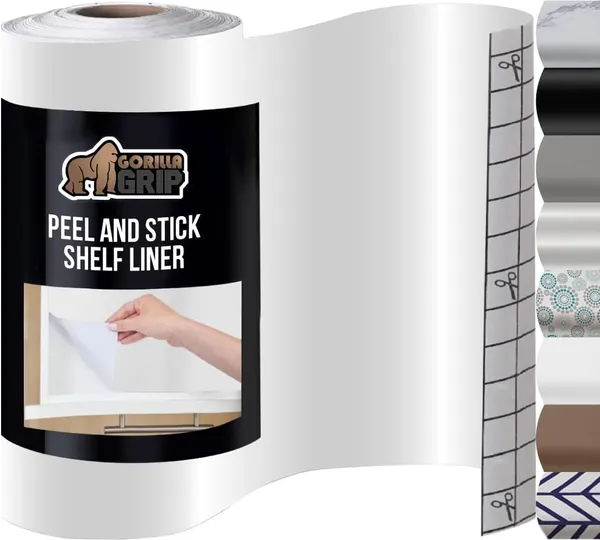
4. Line the cabinet walls. Before putting any litter boxes inside, I covered all the interior walls and the floor of each cabinet compartment with Gorilla Grip Peel & Stick Cabinet Liner Check price on Amazon. This stuff is clear and matte, so it doesn’t look strange, and it protects the cabinet material from years of what I charitably call “cat chaos.” A 17.5”x10ft roll is cheap protection. You’ll likely need two rolls for a full two-cabinet setup.
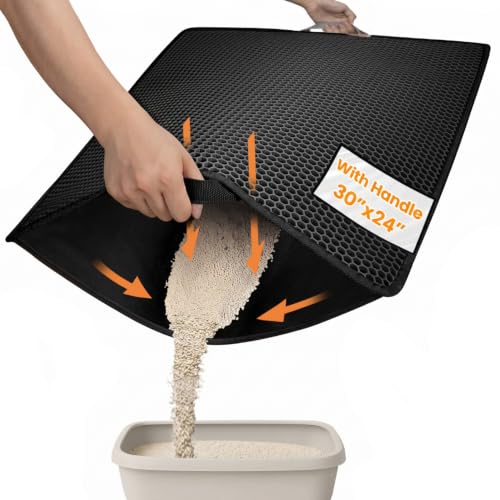
5. Add the litter mat. Inside the center compartment (the entry/exit pathway), I put down a Polarduck Honeycomb Litter Mat Check price on Amazon — 30 inches by 24 inches. The honeycomb texture traps litter that gets kicked out of the box and dragged on paws. Before I added this, I was finding litter scattered throughout the cabinet. Now it stays contained to the mat.
6. Use leftover materials. We had butcher block left over from the countertop installation, and I cut a section to sit on top of the litter box cabinets as a landing shelf. This isn’t strictly necessary, but it finishes the look and gives us a useful surface. If you’re doing a full cabinet build, plan your materials to have some leftover.
The Cat Door Situation
I want to give this its own section because I spent more time researching cat doors than any other part of the project.
My concerns going in: Would the cats walk into an enclosed cabinet? Would they balk at a cat door? Would Mr. Kitty — who is, diplomatically, a larger boy — even fit?
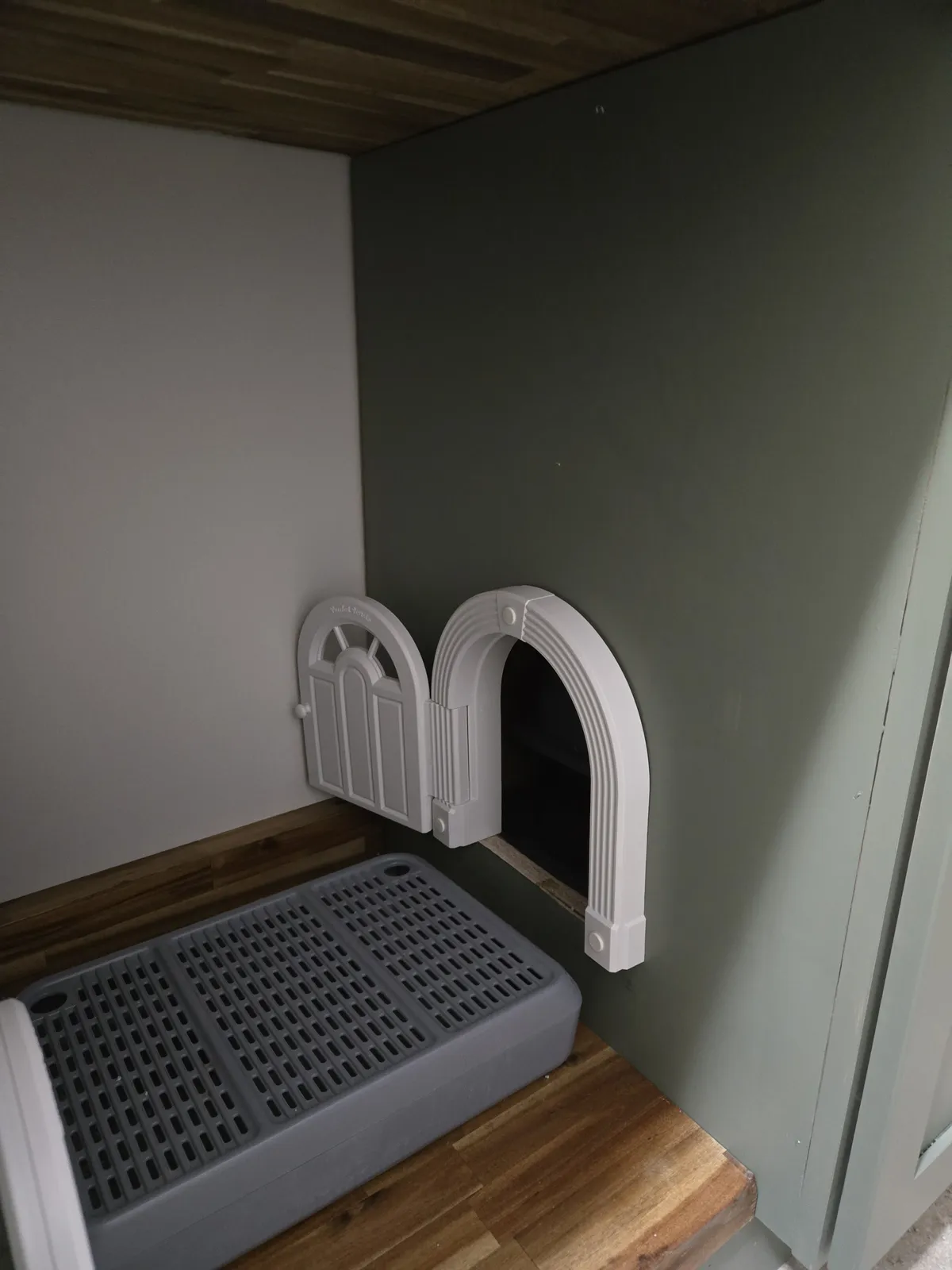
The Purrfect Portal Meow Manor XL answered all of these concerns. The opening is genuinely large, the no-flap design means there’s nothing to push against, and the cats don’t hesitate. The 30 lb weight rating gave me confidence it’s sized for real-world large cats, not just “large” in the marketing sense.
My only criticism: needing two doors makes them a real line item on their own. That’s real money. But I’ve seen cheaper cat doors that feel flimsy or don’t lock properly into the panel, and in something that’s supposed to last years, I’d rather pay the premium once.
Keeping the Cabinets Clean Long-Term
The cabinet liner was my preemptive solution, but daily maintenance matters too. The WePet Aluminum Alloy Litter Scoop Check price on Amazon is what I reach for every day. Plastic scoops have the same problem as plastic litter boxes — they hold onto smell and eventually crack. This aluminum one has been solid, feels substantial in the hand, and hasn’t shown any wear in two months of daily use.
For litter, I’m running Tidy Cats 24/7 Performance Scented Clumping Litter Check price on Amazon. It clumps well, controls odor effectively, and the cats have never had a preference issue with it. My only note: the scent can be a little strong when you first pour a fresh bag, so I let it air for a minute before closing the cabinet. If you have long-haired cats, expect extra fur buildup inside the cabinets — staying on top of grooming helps keep the loose hair under control in there.
For anything that happens outside the boxes — rare, but you plan for it — Rocco & Roxie Enzyme Stain & Odor Eliminator Check price on Amazon is the real deal. Enzyme cleaners are the only thing that actually break down cat urine compounds instead of just covering them up. I keep a bottle under the sink.
Odor Control in an Enclosed Space
You might wonder: doesn’t trapping everything inside a cabinet just concentrate the smell? It’s a reasonable concern. In practice, the opposite has been true — because the smell is now directed into the cabinet rather than floating freely around the room, it’s dramatically less noticeable when you’re just living in the space.
That said, I do add Arm & Hammer Cat Litter Deodorizer Check price on Amazon — directly to the litter once or twice a week. Inside an enclosed cabinet, a little extra deodorizing insurance goes a long way. The baking soda base is effective without adding a heavy artificial scent on top of the litter’s existing scent.
I also leave the cabinet doors slightly ajar on one side when we’re not in the room. The airflow prevents any buildup of humidity, which matters in a laundry room where there’s already some moisture from the washer and dryer.
How the Cats Adjusted (Spoiler: Immediately)
I was genuinely a little anxious about this part. Billy, Xena, and Mr. Kitty had used open boxes their whole lives. Would they accept walking through a cat door into an enclosed cabinet to use the bathroom?
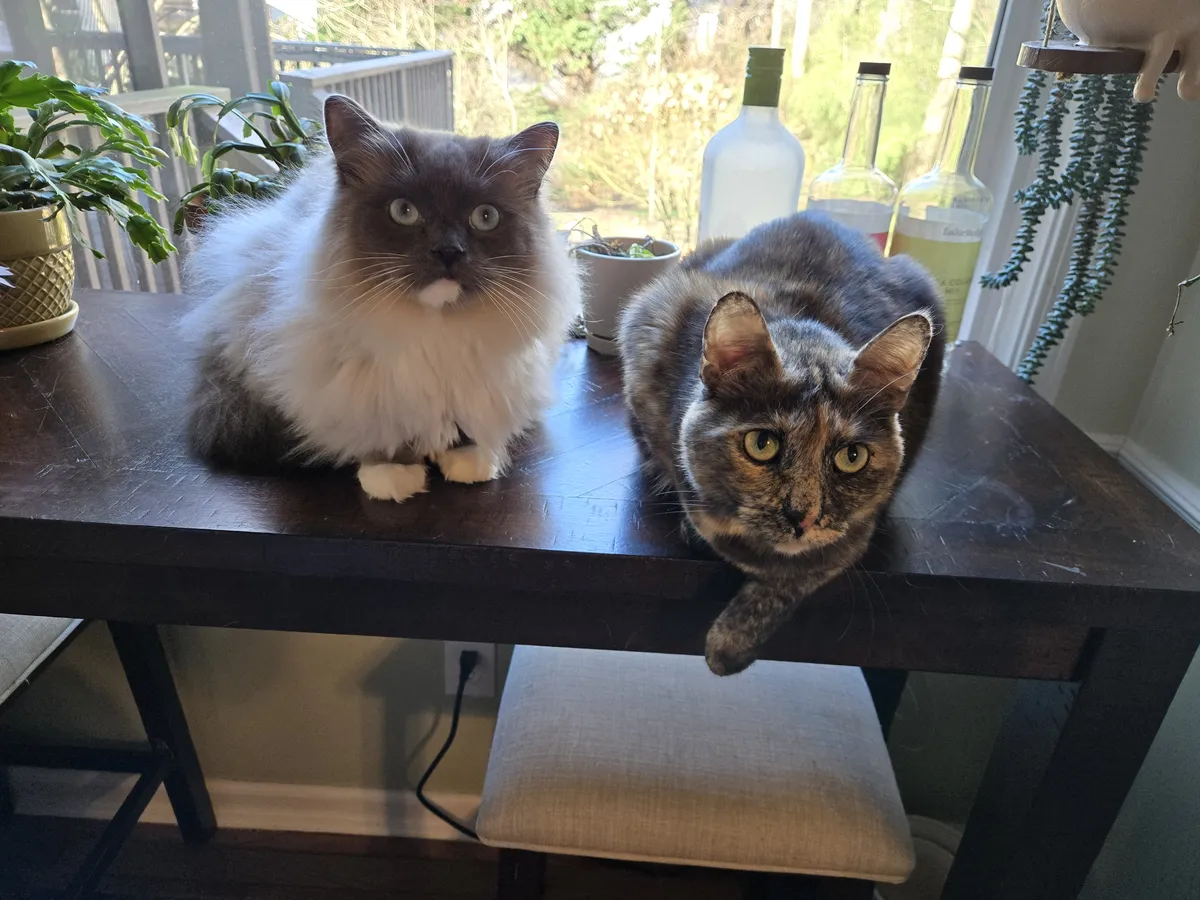
First day: all three were using the new boxes. No convincing required, no treats used to lure them in, no accidents in protest. In the two months since the build, we’ve had zero accidents outside the boxes — which, with three cats, I consider an extraordinary result.
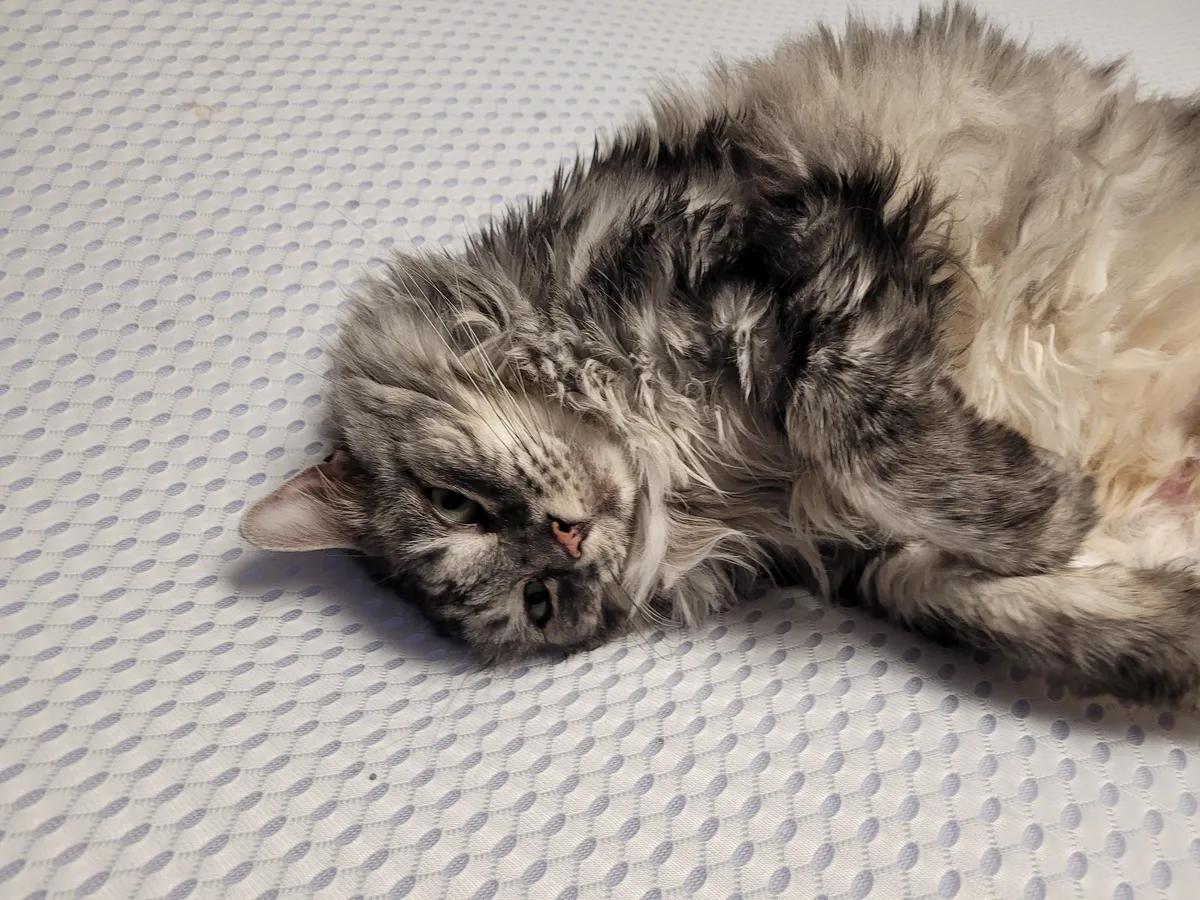
My theory is that the no-flap door design helped. There’s nothing blocking the entrance, so from the cat’s perspective, it’s just a hole in a wall. Cats are curious enough that they’ll investigate a hole, and once they’re in and find a clean litter box, the behavior reinforces itself. If I’d used a flap door, I think the transition might have taken longer.
What I’d Do Differently
A few honest notes for anyone following a similar path:
I’d buy one more roll of cabinet liner. I cut it close with two rolls for two cabinets. Get three and you’ll have enough to redo any sections that peel up over time without making a special trip.
I’d plan for a dedicated ventilation solution. Right now I rely on leaving doors ajar, which works but isn’t elegant. A small low-profile USB fan mounted inside one cabinet pulling air toward a vent would be cleaner. It’s on my list.
I’d measure twice before cutting the cat door holes. I measured three times and still had a moment of panic when I was cutting. There’s no undoing a hole in a cabinet panel, so be certain about placement before the jigsaw comes out.
I’d consider this approach even without a full cabinet remodel. You can buy an unfinished base cabinet from a home improvement store for $100–150, modify it with a cat door, add liner, and drop in a stainless steel box. You don’t need a full laundry room renovation to pull off a hidden litter box cabinet setup.
Frequently Asked Questions
Do cats actually use a hidden litter box cabinet?
All three of my cats — including one who is, diplomatically, a larger boy — started using the cabinet boxes on day one with zero training. The key is using a no-flap cat door so there’s nothing blocking the entrance. Cats are naturally curious about enclosed spaces and will investigate on their own.
How do you control odor in an enclosed litter box cabinet?
Three things: stainless steel boxes (they don’t absorb odor like plastic), Arm & Hammer deodorizer sprinkled on the litter weekly, and leaving the cabinet doors slightly ajar when you’re not in the room for airflow. The enclosed space actually reduces ambient smell because the odor is directed into the cabinet rather than spreading through the room.
What size cat door do you need for a litter box cabinet?
I use the Purrfect Portal Meow Manor XL, which is rated for cats up to 30 lbs. For most cats, an XL door is the safe choice — you don’t want your cat to hesitate because the opening feels tight. The no-flap design also makes a big difference for acceptance.
Is stainless steel really better than plastic for litter boxes?
Yes, and it’s not close. Plastic is porous — it absorbs odors and gets microscopic scratches from claws that trap bacteria. After a year, a plastic box smells even when it’s clean. Stainless steel stays non-porous, wipes clean completely, and shows zero odor retention. It’s the single best upgrade I’ve made.
Bottom Line
Two months in, this is one of the home projects I’m most satisfied with. The laundry room smells cleaner, the litter boxes are completely out of sight, and all three cats took to it immediately.
If you want the cleanest possible setup: Start with stainless steel boxes — the KITCATY XXL for a large open box or the AIPERRO for an enclosed option — and don’t compromise on that. It’s the biggest single upgrade from a standard plastic box situation.
If you’re building from scratch: The Purrfect Portal Meow Manor XL doors are worth the money. The no-flap design genuinely matters for cat acceptance, and the 30 lb rating means you’re covered for any size cat.
If you’re on a tight budget: You can get most of the functional benefit — smell control, easy cleaning — just by putting a stainless steel box inside any existing furniture with an opening, adding cabinet liner, and using an aluminum scoop. The full hidden litter box cabinet build is the premium version, but the core products do the work.
For ongoing maintenance: The Arm & Hammer deodorizer is the cheapest high-impact addition to any litter box setup, enclosed or not. Add it to your routine.
And if your cats spend time outdoors, check out our guide to heated cat houses for winter. For keeping your cats properly hydrated, we compare the options in our best cat water fountain guide — stainless steel is the only way to go.
The project took a few weekends, cost a few hundred dollars in products on top of the cabinet work, and has genuinely changed the daily experience of our laundry room. For three-cat households especially, I can’t recommend going this route strongly enough.
Products Mentioned in This Article

KITCATY XXL Stainless Steel Litter Box
Extra-large stainless steel litter box at 28x20x12 inches — big enough for even the largest cats.
- Non-porous stainless steel eliminates odor absorption
- Huge 28x20x12 inch size gives large cats room to maneuver
- Zero odor retention and zero signs of wear after two months
- A premium investment
- High sides make it slightly awkward to scoop over the edge

AIPERRO XL Enclosed Stainless Steel Litter Box
Enclosed stainless steel litter box with a built-in hood for extra odor containment inside cabinets.
- Built-in hood adds an extra layer of odor containment
- Stainless steel stays non-porous and cleans completely
- Works well in cabinet spaces with limited airflow
- Comparable in price to the KITCATY
- Enclosed design may not suit all cats

Purrfect Portal Meow Manor XL Cat Door
Large no-flap cat door rated for cats up to 30 lbs that snaps into cabinet side panels.
- No-flap design means cats don't hesitate to walk through
- Rated for cats up to 30 lbs — truly sized for large cats
- Simple installation — trace, cut, and snap in place
- Needing two of them adds up
- Requires cutting a permanent hole in your cabinet panel
Gorilla Grip Peel & Stick Cabinet Liner
Clear matte peel-and-stick liner that protects cabinet interiors from litter box wear and moisture.
- Clear and matte so it doesn't look strange inside the cabinet
- Protects cabinet material from years of cat use
- Cheap per roll
- May peel up over time and need replacing
- You'll likely need 3 rolls for a full two-cabinet setup
Polarduck Honeycomb Litter Mat
Honeycomb-textured mat that traps litter kicked out of the box and tracked on paws.
- Honeycomb texture effectively traps tracked litter
- Keeps litter contained to the mat instead of scattered through the cabinet
- Good size at 30x24 inches
- Requires regular shaking out or vacuuming to clean

WePet Aluminum Alloy Litter Scoop
Durable aluminum scoop that won't absorb odors or crack like plastic scoops.
- Won't hold onto smell like plastic scoops
- Feels substantial in the hand and hasn't shown any wear
- Affordable
- Heavier than plastic scoops

Tidy Cats 24/7 Performance Clumping Litter
Reliable clumping litter with effective odor control that all three cats accept without issues.
- Clumps well for easy daily scooping
- Effective odor control for enclosed cabinet spaces
- Cats have never had a preference issue with it
- Scent can be strong when first pouring a fresh bag

Rocco & Roxie Enzyme Stain & Odor Eliminator
Enzyme-based cleaner that breaks down cat urine compounds instead of just covering them up.
- Actually breaks down urine compounds at the molecular level
- Works on accidents outside the litter box
- Industry standard that genuinely eliminates odor
- More expensive than basic cleaners
- Hopefully you won't need it often
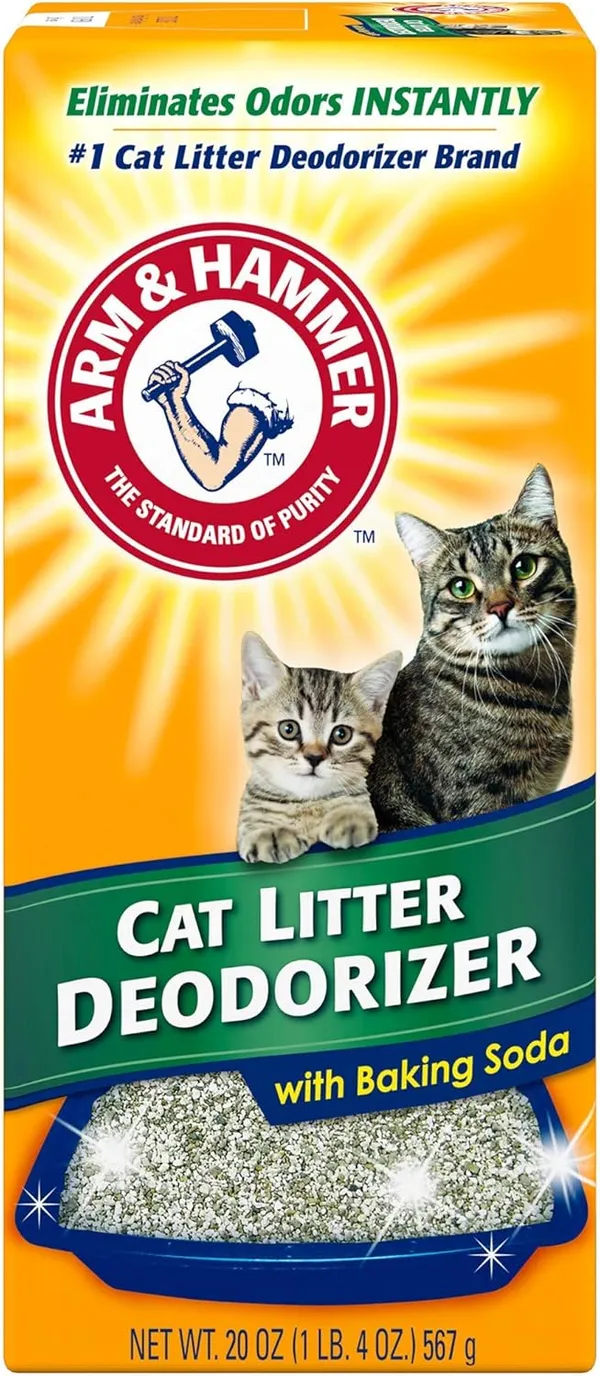
Arm & Hammer Cat Litter Deodorizer
Baking soda-based deodorizer sprinkled directly on litter for extra odor control in enclosed spaces.
- Cheapest high-impact addition to any litter box
- Baking soda base is effective without heavy artificial scent
- A 30oz container lasts a long time at once or twice a week
- Adds a slight powder texture that some cats may notice initially
Prices shown were retrieved from Amazon on Oct 8, 2026, 2:37 PM UTC. Product prices and availability are accurate as of the date/time indicated and are subject to change. Any price and availability information displayed on Amazon at the time of purchase will apply to the purchase of this product.