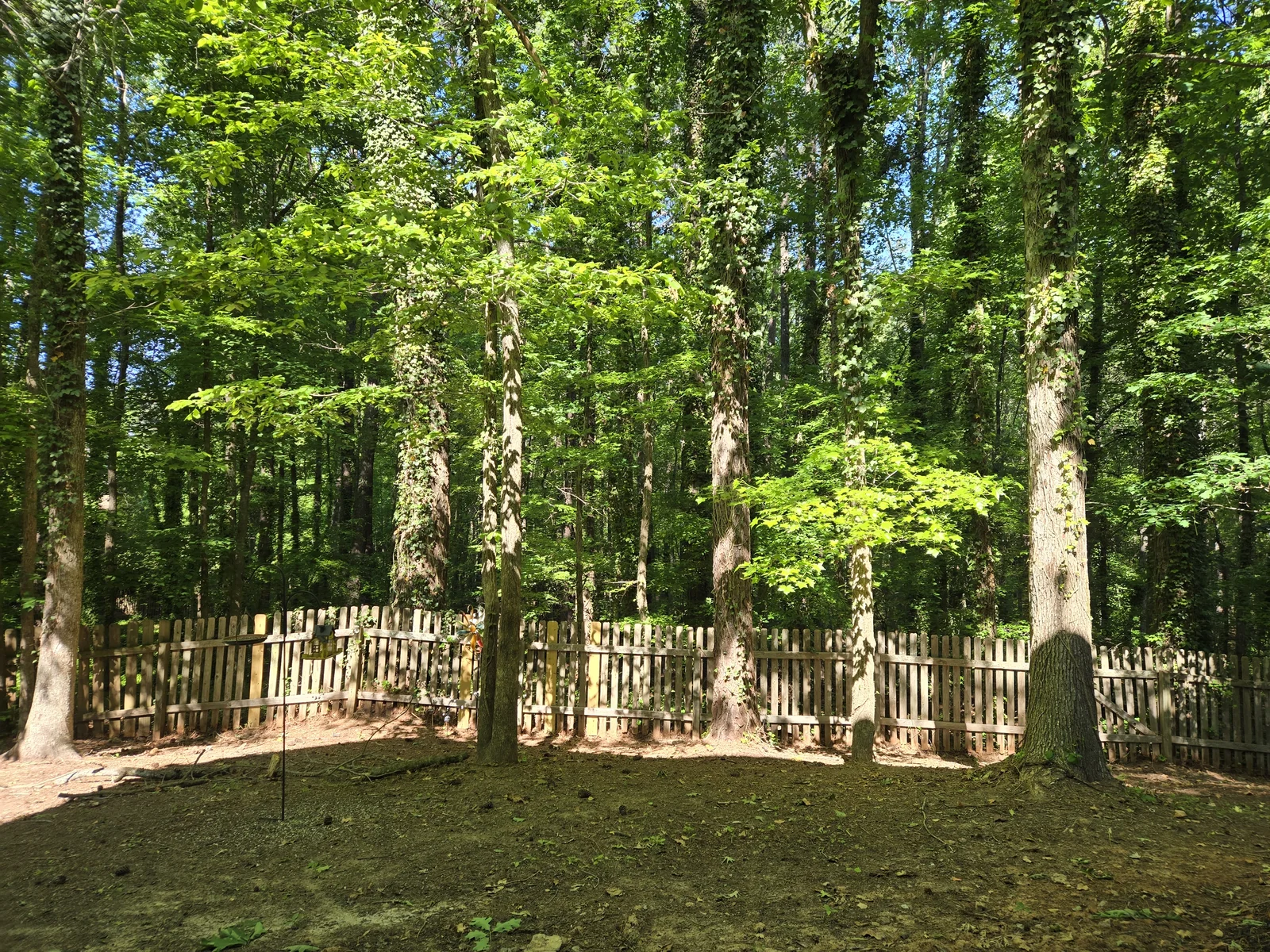
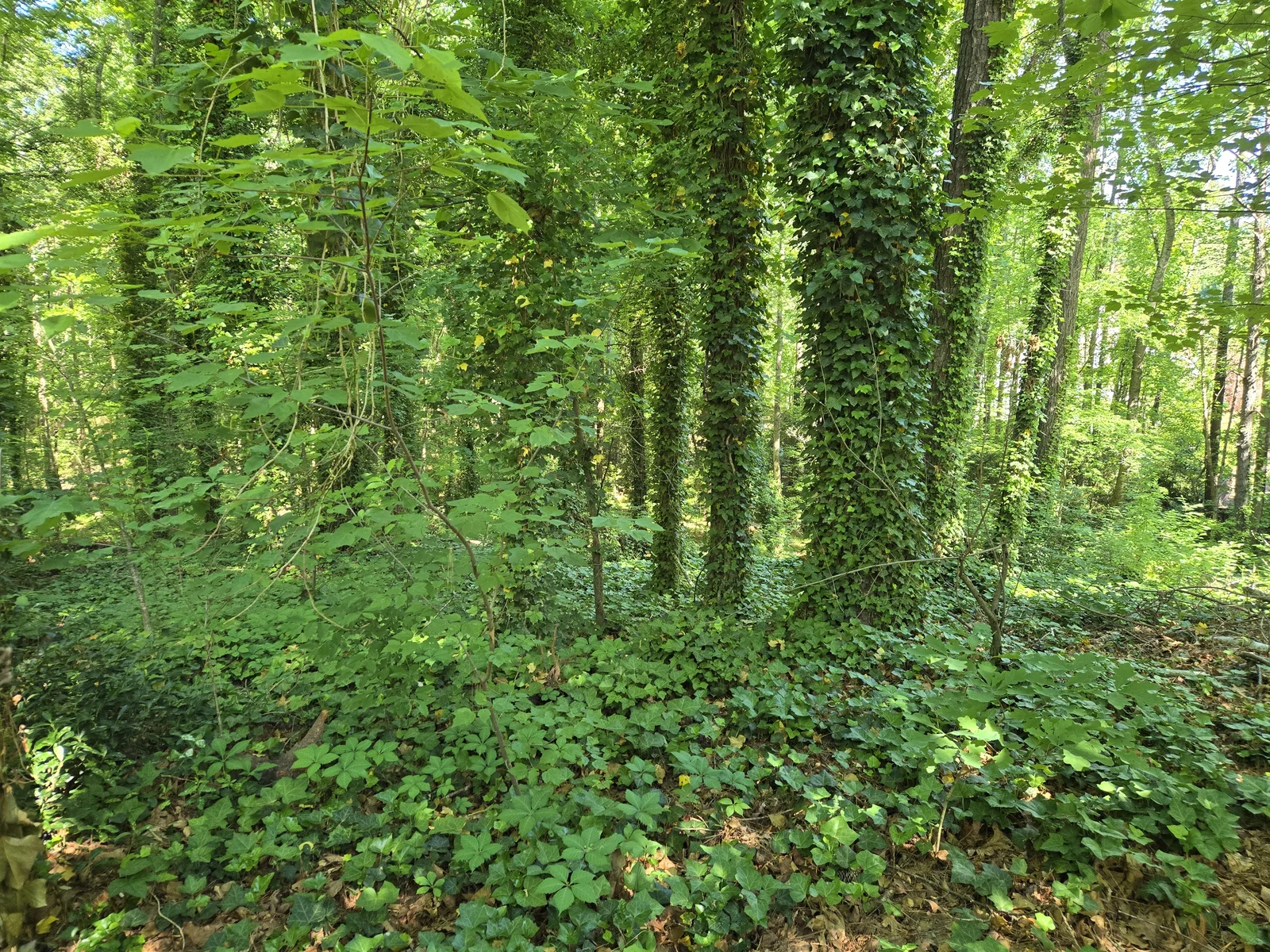
Vines will kill your trees. Not quickly, not dramatically — but steadily. They climb the trunk, spread through the canopy, block sunlight from the leaves, add hundreds of pounds of weight to the branches, and trap moisture against the bark until it rots. I’ve watched healthy trees on our property decline over a single growing season because I didn’t take the vine growth seriously enough.
This past year I cleared invasive vines from over a dozen trees on our property. English ivy, wild grape, Virginia creeper, and yes — poison ivy. Here’s the method that works, the tools that made it manageable, and the mistakes I made so you don’t have to.
Quick answer: Cut vines at the base of the tree, don’t pull them down. I use a DEWALT cordless pruner for vines up to 1.5 inches and a DEWALT cordless chainsaw for thicker vines and small unwanted trees. Treat every fresh-cut stump with triclopyr herbicide or they’ll grow right back. If you don’t want to invest in cordless tools, Fiskars PowerGear loppers work for occasional use.
Why Vines Are Dangerous for Trees
Before getting into the how-to, it helps to understand why this matters. Vines don’t just look messy — they’re parasitic in a structural sense, even if they’re not technically feeding off the tree.
Sunlight theft: Vines climb to reach sunlight. Once they hit the canopy, they spread across the top of the tree and shade out the tree’s own leaves. A tree that can’t photosynthesize properly stops growing and starts dying.
Weight and wind loading: A mature vine network adds significant weight to branches. When it rains, that weight increases dramatically. In winter, ice accumulates on the vine mass and can snap branches that would otherwise survive a storm. I lost a major limb on an oak tree during an ice storm — the vine load on that branch was the difference.
Moisture and rot: Vines growing up the trunk trap moisture against the bark. Bark needs to breathe and dry out. Constant moisture leads to fungal infections and bark rot, which weakens the tree’s defenses against insects and disease.
Root competition: The vine’s root system competes directly with the tree for water and nutrients in the soil. A vigorous vine can out-compete a tree’s roots in the immediate area around the trunk.
What You’ll Need
You don’t need much, but the right tools turn a multi-weekend project into a single afternoon. Here’s what I actually used to clear the vines on our property:
For cutting (cordless, what I use):
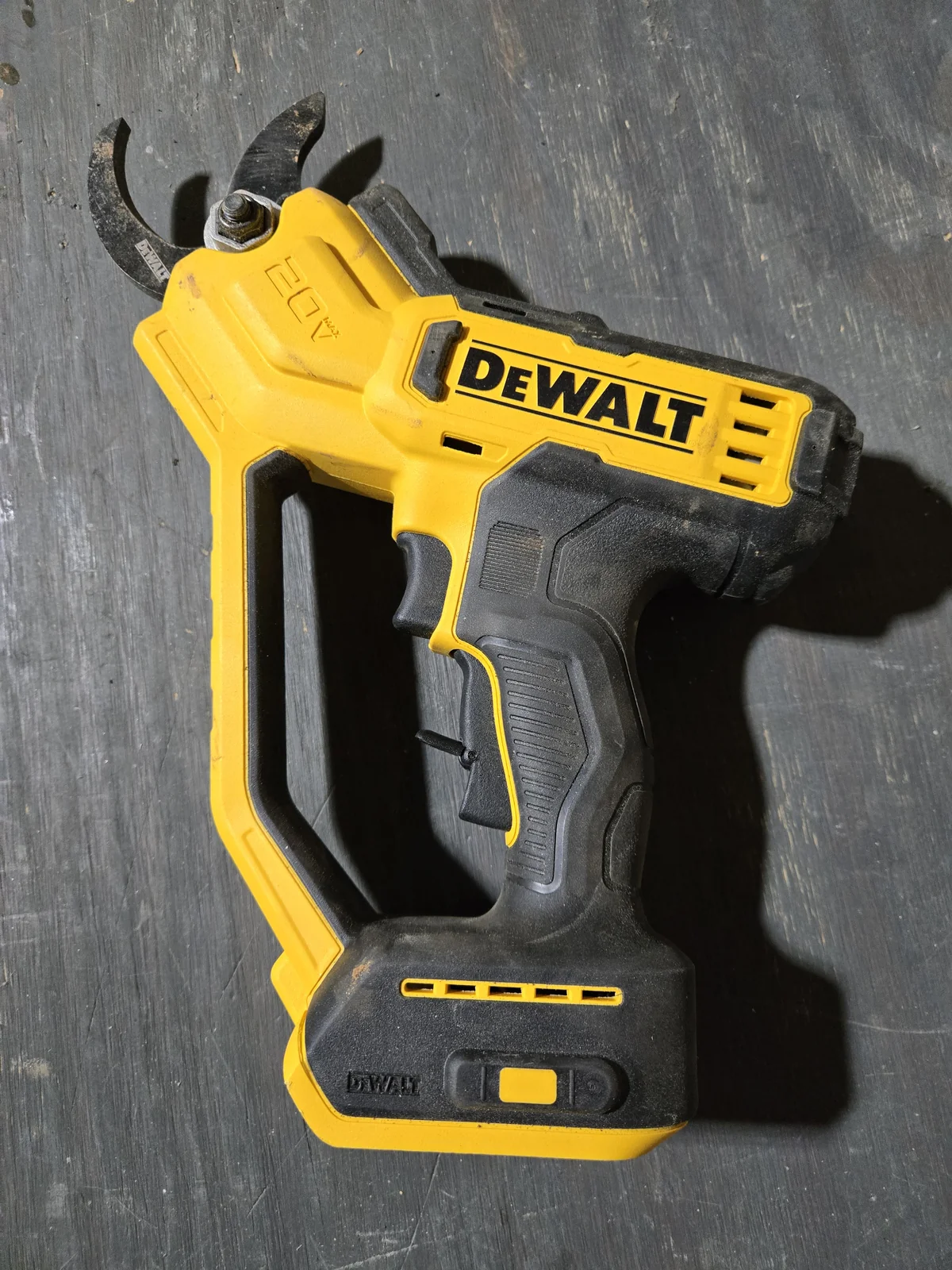
- DEWALT 20V Cordless Pruner Bundle — handles 90% of vine cuts. A 1.5-inch vine takes about 2 seconds. Single-hand operation leaves my other hand free to grab the herbicide brush.
- DEWALT 20V 8” Cordless Chainsaw — for thick woody vines the pruner can’t handle, plus the small trees I cleared at the same time to stop them from growing into the canopy.
If you already own DeWalt 20V tools, this kit is a no-brainer because the batteries swap between everything. If you don’t, the bundle pays off across enough yard projects that I’d still go this route over manual.
For cutting (manual, if you only have a few vines):
- Fiskars 15” PowerGear Anvil Loppers — works fine for occasional use. Slower than cordless but a fraction of the cost.
For killing the roots:
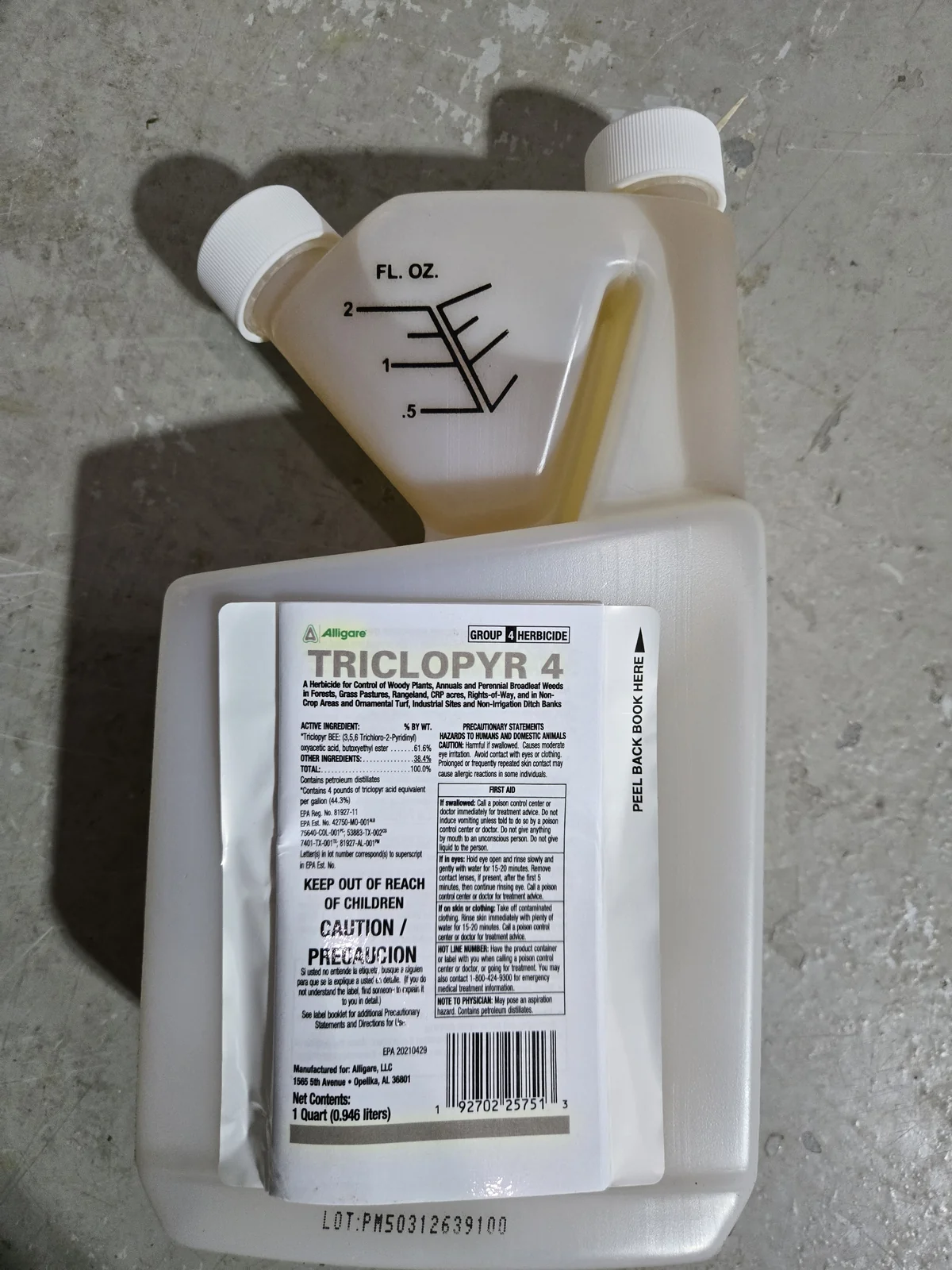
- Alligare Triclopyr 4 EC — professional-grade brush killer. Same active ingredient as Garlon 4 / Remedy. Apply it undiluted to fresh-cut vine stumps. This is the critical step — skip it and the vines grow back within weeks.
- A cheap paintbrush or foam brush for applying the herbicide to cut stumps.
- BioAdvanced Brush Killer Plus — ready-to-use spray alternative if you don’t want to handle concentrate. Less efficient per dollar but easier on a small project.
For protection:
- SWIFTLITE Disposable Vinyl Gloves — vinyl blocks urushiol oil the same as expensive coated gloves, and disposable means you don’t have to worry about re-contaminating yourself the next time you put them on. Toss them after poison ivy work.
- Rocky Waterproof Snake Boots — I’m in Georgia, working in pine straw, where copperheads are a real possibility. Snake boots are the kind of gear you don’t realize you need until the moment you do. If you live in the south or anywhere with pit vipers, get them.
- Long sleeves, long pants. Non-negotiable if there’s any chance of poison ivy.
- Eye protection — vines snap back when cut under tension.
Step-by-Step: The Cut-and-Treat Method
This is the method that works. It’s simple, but the details matter.
Step 1: Identify What You’re Cutting
Before you start cutting, know what you’re dealing with. The approach is the same for all vine species, but you need to identify poison ivy before you start touching things.
Poison ivy: “Leaves of three, let it be.” Three leaflets per leaf, the middle leaflet has a longer stem. In winter when there are no leaves, look for hairy aerial roots — the vine looks fuzzy or fibrous where it grips the bark. If you see hairy roots on the vine, treat it as poison ivy until proven otherwise.
Other common vines you’ll encounter:
- English ivy — evergreen, waxy leaves, very common
- Virginia creeper — five leaflets per leaf (not three), turns red in fall
- Wild grape — large heart-shaped leaves, peeling bark on the vine
- Oriental bittersweet — round leaves with fine teeth, orange berries in fall
- Kudzu — three large leaflets, grows absurdly fast (up to a foot per day)
Step 2: Cut at the Base
Make your first cut about 6 inches above ground level. The cordless pruner handles vines up to 1.5 inches in a single squeeze. For thicker woody vines or for the small unwanted trees that have started growing alongside, switch to the cordless chainsaw.
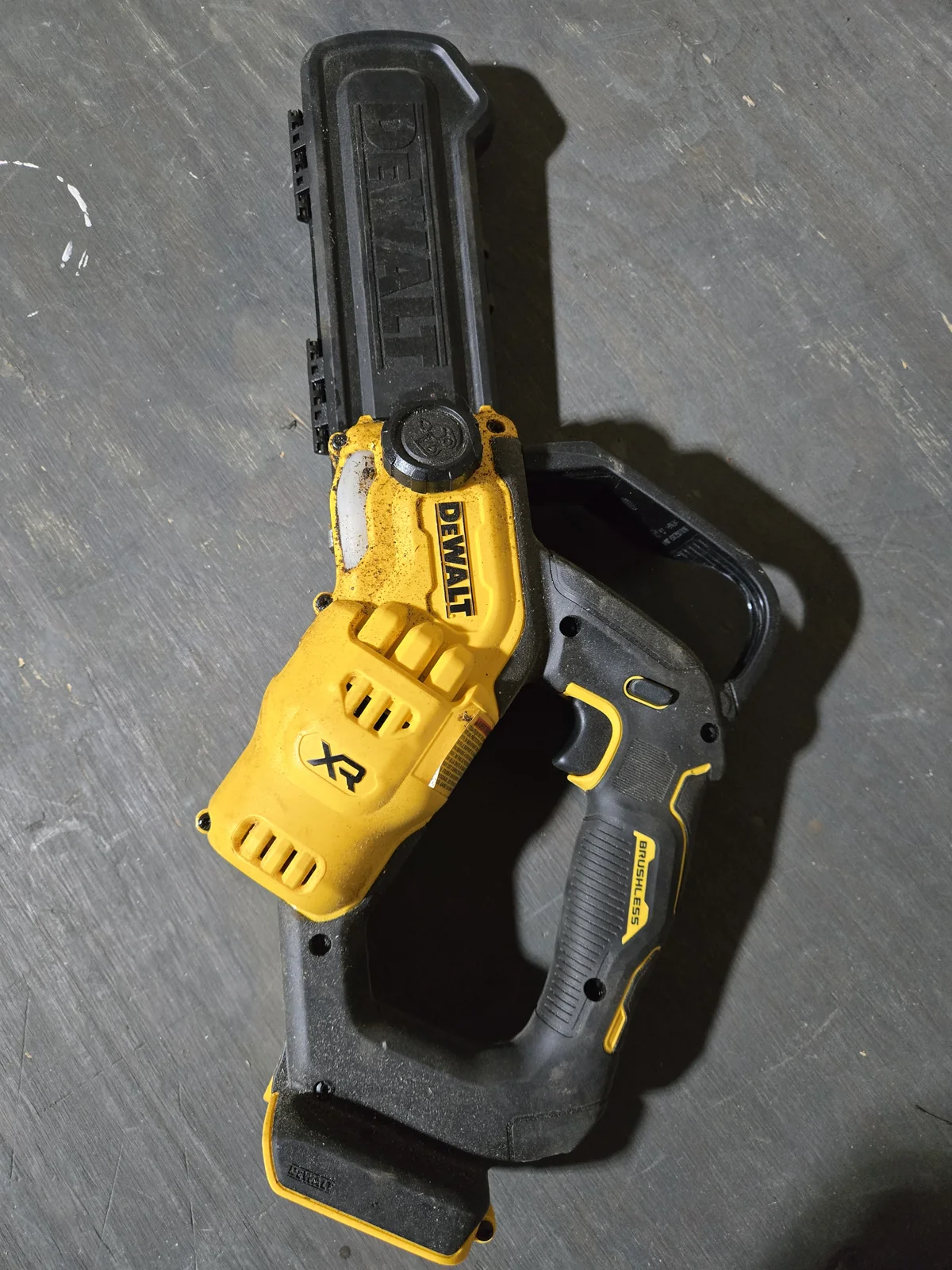
Then make a second cut 3-4 feet above the first. Remove the section of vine between the two cuts completely. This gap prevents the upper vine from reconnecting to the root system through contact with the trunk.
Why two cuts? A single cut leaves the vine draped against the trunk. In some species, the cut ends can actually graft back together if they’re touching. The gap eliminates that possibility.
Step 3: Treat the Stump Immediately
This is the step most people skip, and it’s why their vines come back.
Within 10 minutes of cutting — ideally immediately — brush undiluted Alligare Triclopyr 4 onto the freshly cut stump. The open wound absorbs the triclopyr down into the root system. The longer you wait, the less effective it is, because the cut surface starts to seal over.
Use a cheap foam brush or paintbrush to dab the herbicide onto the cut face. You don’t need to soak it — just a thorough coating across the entire cut surface. I carry a small container of herbicide and a brush in my back pocket as I work from tree to tree.
If you’d rather not handle concentrate, BioAdvanced Brush Killer Plus comes ready to use in a spray bottle. It’s more expensive per treatment, but convenient if you only have a few vines to deal with.
Step 4: Leave the Upper Vine Alone
This is counterintuitive, but do not pull the dead vine down from the tree. The vine has attached itself to the bark with aerial roots, adhesive pads, or by wrapping around branches. Pulling it down tears bark off the trunk and can break branches in the canopy.
Once you’ve severed the vine from its root system, the upper portion will die on its own. Over the next several months to a year, it dries out, becomes brittle, and gradually falls away in pieces. Dead vine segments that drop from the canopy are much easier to clean up than trying to wrestle a live vine out of a 40-foot tree.
The only exception: if a vine is so heavy that it’s actively threatening to break a branch, and you can safely remove the weight without damaging the tree. In most cases, just leave it.
Step 5: Monitor and Repeat
Check your treated trees monthly during growing season. Vines are persistent — even with herbicide treatment, some root systems will send up new shoots. Catch these early when they’re small and easy to cut. A new shoot from a treated root system is usually weaker than the original, and a second treatment typically finishes it off.
Dealing with Thick Woody Vines
Some vines have been growing for years and have trunks 3-6 inches in diameter at the base. These are the ones that are doing the most damage, and they require more effort.
For vines in the 2-3 inch range, the DEWALT 8-inch cordless chainsaw handles them in seconds. The pruner can struggle on anything north of 1.5 inches, but the chainsaw doesn’t. For anyone who’d rather not own a chainsaw, a manual folding pruning saw works — it’s just slow. Whichever saw you use, a dull chain is what makes small cuts feel like hard work; here’s how I sharpen mine.
When sawing thick vines, be aware that they’re often under tension. The vine may spring when cut, or a heavy section above may shift. Keep your face and body clear of the cut line, and wear eye protection.
For very thick vine stumps, make a small “cup” cut — angle the cut slightly inward to create a dish shape that holds the herbicide instead of letting it run off. This gives the triclopyr more time to absorb into the root system.
Handling Poison Ivy Vines
Poison ivy deserves its own section because it can ruin your week if you handle it wrong.
The oil is everywhere. Urushiol — the oil that causes the rash — is present in the roots, stems, leaves, and berries. It’s active year-round, even on dead vines in winter. It stays active on tools, gloves, and clothing for months or even years unless washed off.
Gear up properly:
- Wear disposable vinyl gloves — leather and cloth gloves absorb the oil and become contaminated for months. Disposable vinyl gives you the same protection and you throw them away after.
- Long sleeves tucked into gloves
- Long pants tucked into boots or socks
- Eye protection
Cut, don’t pull. Follow the same cut-and-treat method. Cut at the base, treat the stump, leave the upper vine to die.
Cleanup is critical:
- Bag all vine cuttings in heavy trash bags immediately
- Wash all tools with rubbing alcohol or a degreaser — urushiol is an oil, so you need something that cuts grease
- Wash clothing separately in hot water with plenty of detergent
- Shower with cold water first (hot water opens pores and spreads the oil), then wash with dish soap or a product like Tecnu
- Never burn poison ivy. The smoke carries urushiol particles that can cause severe respiratory irritation and rash inside your lungs
When to Remove Vines
Best time: Late fall through early spring, when the vine is dormant and deciduous species have dropped their leaves. You can see the vine structure more clearly, and the plant is storing energy in its roots — which means herbicide applied to the cut stump gets pulled down to the roots more effectively.
Worst time: Mid-summer, when the vine is actively growing and full of leaves. The vine is pumping resources upward, which works against herbicide absorption. You can still cut vines in summer if they’re an immediate threat, but the stump treatment will be less effective and you’ll likely need to re-treat.
After storms: Check your trees after any significant wind or ice storm. Storm damage often reveals vine problems you couldn’t see from the ground, and damaged branches with heavy vine loads should be addressed before the next storm.
Mistakes I Made
Pulling vines off the tree. My first instinct was to grab the vine and pull. Bad idea. I pulled bark off a maple and snapped a branch on a dogwood. Cut at the base and let the upper vine die in place.
Not treating the stumps. I cut a dozen vines in my first session and didn’t use herbicide. Every single one resprouted within a month. I had to go back and do it all over again.
Using leather gloves around poison ivy. The leather absorbed the urushiol oil and I kept re-exposing myself every time I put the gloves on. Switched to vinyl gloves and the problem stopped.
Waiting too long to act. A vine that’s easy to cut with loppers this year will need a saw next year. Start early, check regularly, and don’t let them get established in the canopy.
Product Comparison
| Product | Rating | What It’s For |
|---|---|---|
| DEWALT 20V Cordless Pruner Bundle | 4.8/5 | Vines up to 1.5” — primary tool |
| DEWALT 20V 8” Cordless Chainsaw | 4.3/5 | Thicker vines + small unwanted trees |
| Fiskars PowerGear Anvil Loppers | 4.7/5 | Manual alternative — occasional use |
| Alligare Triclopyr 4 EC | 4.6/5 | Pro-grade stump treatment to kill roots |
| BioAdvanced Brush Killer Plus | 4.3/5 | Ready-to-use spray alternative |
| ROCKY Snake Boots | 4.3/5 | Pine straw / snake country protection |
| SWIFTLITE Disposable Vinyl Gloves | 4.3/5 | Disposable poison ivy / herbicide protection |
Frequently Asked Questions
How do you remove vines from trees without damaging the tree?
Cut the vine at the base about 6 inches above ground level, then make a second cut a few feet higher to create a gap. The upper portion dies on its own once severed from the root system. Never pull live vines down from the canopy — you’ll damage the tree’s bark and branches.
What vines are bad for trees?
English ivy, Virginia creeper, oriental bittersweet, kudzu, wild grape, and poison ivy are the most common vine species that damage trees. They all kill trees the same way — by blocking sunlight, adding weight to branches, and competing for water and nutrients.
Can vines actually kill a tree?
Yes. Vines block sunlight from reaching the tree’s leaves, add significant weight to branches (especially when wet or icy), trap moisture against the bark causing rot, and compete for soil nutrients and water. A heavily vine-covered tree can decline and die within a few years.
How do you stop vines from growing back after cutting?
Apply a triclopyr-based herbicide like Alligare Triclopyr 4 directly to the freshly cut vine stump within 10 minutes of cutting. The open wound absorbs the herbicide down to the root system. Without herbicide treatment, most vines will resprout from the roots within weeks.
How do you remove poison ivy vines from trees?
Do not touch or pull the vine. Cut it at the base while wearing long vinyl or nitrile gloves that cover your forearms. The urushiol oil that causes the rash is present in the roots, stems, and leaves year-round — even on dead vines. Bag all cuttings in heavy trash bags and dispose of them. Never burn poison ivy — the smoke carries urushiol and can cause severe lung irritation.
Bottom Line
- Cut at the base, don’t pull from the top. Two cuts with a gap between them. Let the upper vine die in place.
- Treat every stump with herbicide immediately. Alligare Triclopyr 4 applied undiluted to fresh cuts. Skip this step and you’ll be doing it again in a month.
- Use the right cutting tool. A cordless pruner for vines under 1.5”, a cordless chainsaw for thicker stuff and small trees. Manual Fiskars loppers work for occasional projects.
- Wear snake boots if you’re in snake country. I’m in Georgia working in pine straw — Rocky waterproof snake boots are the kind of insurance you don’t want to skip.
- Respect poison ivy. Vinyl gloves, long sleeves, never burn it. One bad exposure will make you take it seriously forever.
- Check monthly during growing season. Catch regrowth early when it’s easy to handle.
The vines didn’t show up overnight, and clearing them is a season-long project. But every vine you cut today is one less year of damage to your trees. Start with the worst offenders — the ones that have reached the canopy — and work your way through the property over time.
Products Mentioned in This Article

DEWALT 20V MAX 1-1/2" Cordless Pruner Bundle (DCPR320B + Battery)
20V MAX cordless pruner that cuts green and woody vines up to 1.5 inches in a single squeeze. Bundled with a 4Ah battery and charger.
- Cuts a 1.5-inch vine in under 2 seconds — way faster than manual loppers
- Single-hand operation, leaves your other hand free for the herbicide brush
- Same battery platform as DeWalt drills, chainsaw, and other 20V tools
- Dramatically reduces fatigue across a multi-tree clearing session
- Expensive starter kit if you don't already have DeWalt batteries
- Overkill if you only have 5-10 vines to cut

DEWALT 20V MAX 8" Cordless Pruning Chainsaw (DCCS623B)
20V MAX 8-inch cordless pruning chainsaw for cutting down small unwanted trees and vines too thick for the cordless pruner.
- Light enough for one-handed work in tight spots between trees
- 8-inch bar handles small trees and branches up to 6 inches
- Same battery as the pruner — switch tools without swapping packs
- Auto-oiling system keeps the chain lubricated without thinking about it
- Tool only — needs 20V MAX battery (sold separately)
- 8-inch bar limits cuts to about 6-7 inch diameter
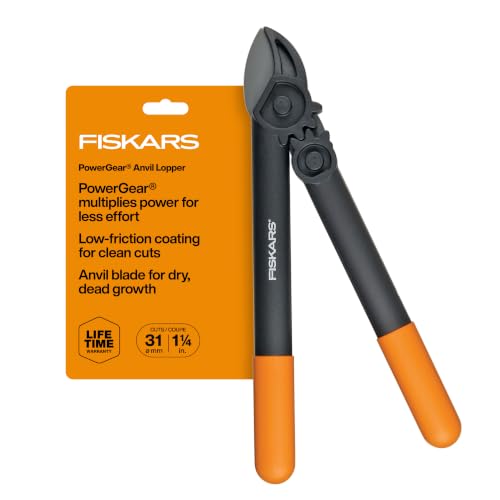
Fiskars 15-Inch PowerGear Anvil Loppers
Manual anvil-style lopper with PowerGear leverage for anyone who doesn't want to invest in cordless tools. Cuts green and woody vines and branches up to 1.25 inches thick.
- Cheapest entry point by a wide margin versus the cordless pruner
- PowerGear technology multiplies cutting leverage with less effort
- Fiskars lifetime warranty
- DuraFrame construction is light enough for one-handed use
- Manual cutting is much slower than the cordless pruner
- Only cuts up to 1.25 inches — bigger vines need a saw

Alligare Triclopyr 4 EC (1 Quart)
Professional-grade triclopyr 4 EC herbicide. Same active ingredient as Garlon 4 / Remedy, used by foresters and pros for stump treatment.
- Professional formulation — more potent than retail brush killers
- Apply undiluted directly to fresh-cut vine stumps
- One quart treats dozens of vine cuts
- Works on the tough species — kudzu, wild grape, oriental bittersweet, poison ivy
- Concentrate — must be handled carefully and not let near desirable plants
- Stronger chemical smell than consumer-grade brush killers

BioAdvanced Brush Killer Plus
Ready-to-use triclopyr brush killer spray for people who don't want to handle concentrate. Kills 75+ vine and brush species.
- Ready to use — no mixing required
- Spray bottle works for foliar application or stump treatment
- Rainproof in 4 hours
- Good option if you only have a handful of vines
- More expensive per-treatment than concentrate
- Takes 1-6 weeks for visible results on foliage
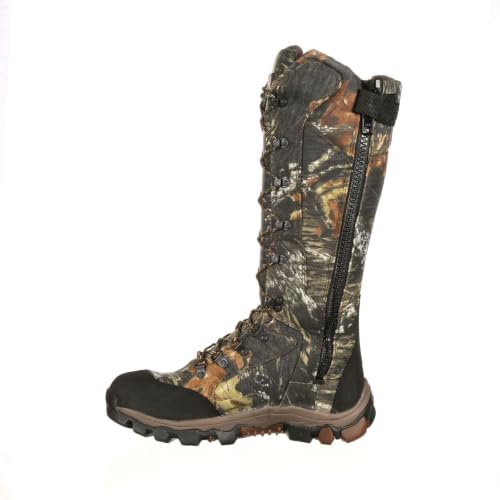
ROCKY Men's Camouflage Waterproof Side-Zip Snake Boots
Waterproof side-zip snake boots with bite-proof construction. Critical for working in pine straw and overgrown areas in the southeast.
- Bite-proof construction protects against copperheads and rattlesnakes
- Waterproof — works for wet pine straw and damp underbrush
- Side zip makes them quick to put on for yard work
- Pays for itself the first time you walk through tall grass with confidence
- Expensive — only worth it if you spend real time outdoors in snake country
- Heavy compared to regular work boots

SWIFTLITE Black Vinyl Gloves (Disposable, Box)
Disposable black vinyl gloves. Latex-free, powder-free. Cheap enough to wear once and throw away after poison ivy work — no risk of urushiol contamination on reusable gloves.
- Vinyl is impermeable to urushiol — same protection as expensive coated gloves
- Disposable means zero re-contamination risk after poison ivy contact
- Cheap enough to use a fresh pair every session
- Latex-free for anyone with latex sensitivity
- Disposable — not for repeat use
- Less abrasion resistance than reusable leather/coated gloves
Prices shown were retrieved from Amazon on Oct 8, 2026, 2:37 PM UTC. Product prices and availability are accurate as of the date/time indicated and are subject to change. Any price and availability information displayed on Amazon at the time of purchase will apply to the purchase of this product.