The mower gets all the winterizing attention, but it’s usually the other gas engines that refuse to start in spring — the trimmer with a carburetor the size of a walnut, the backpack blower that sat with July’s premix in it, and the pressure washer whose pump quietly froze in January. Here’s the 30-minute shutdown I run when the season ends, one tool at a time.
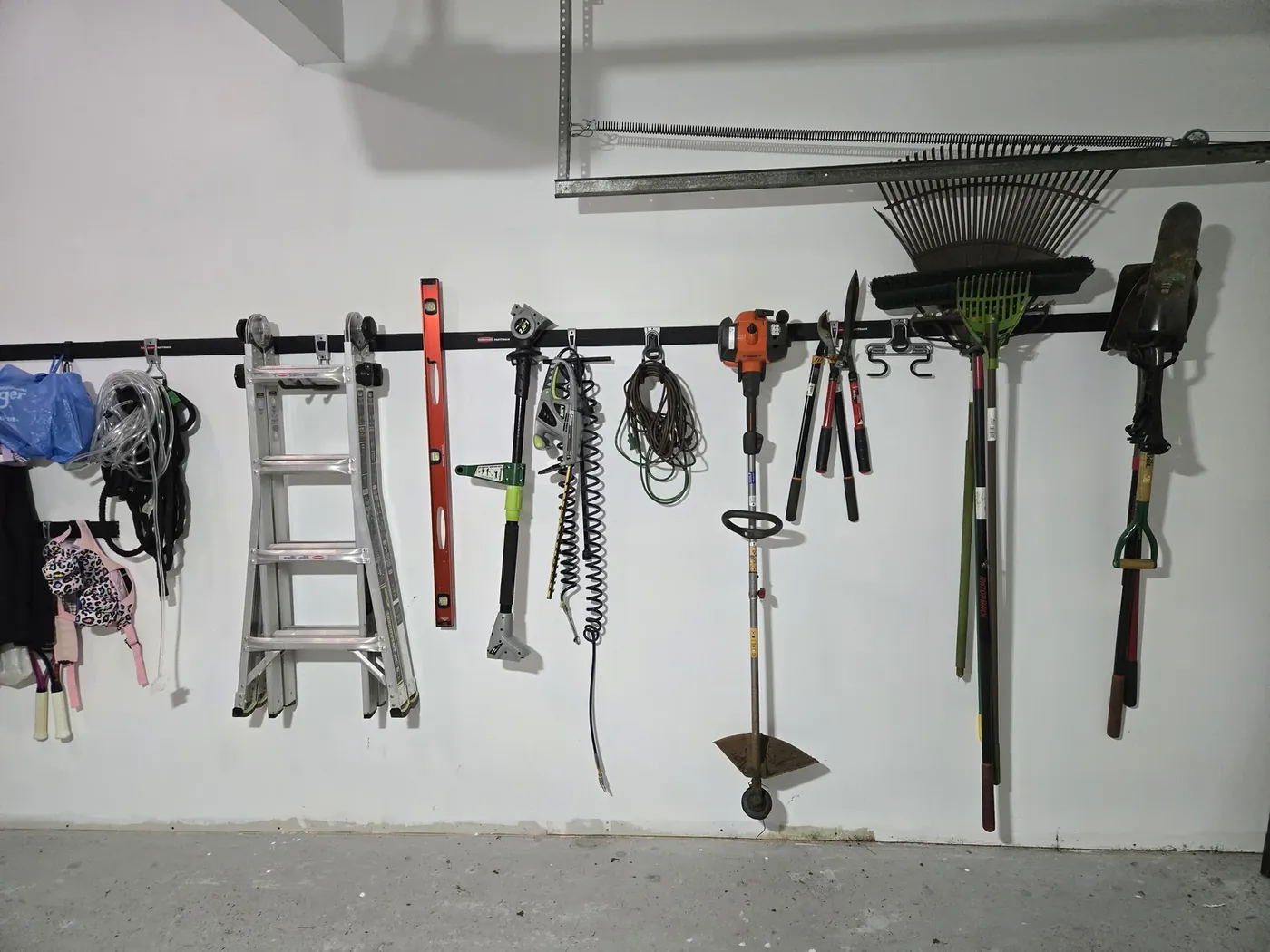
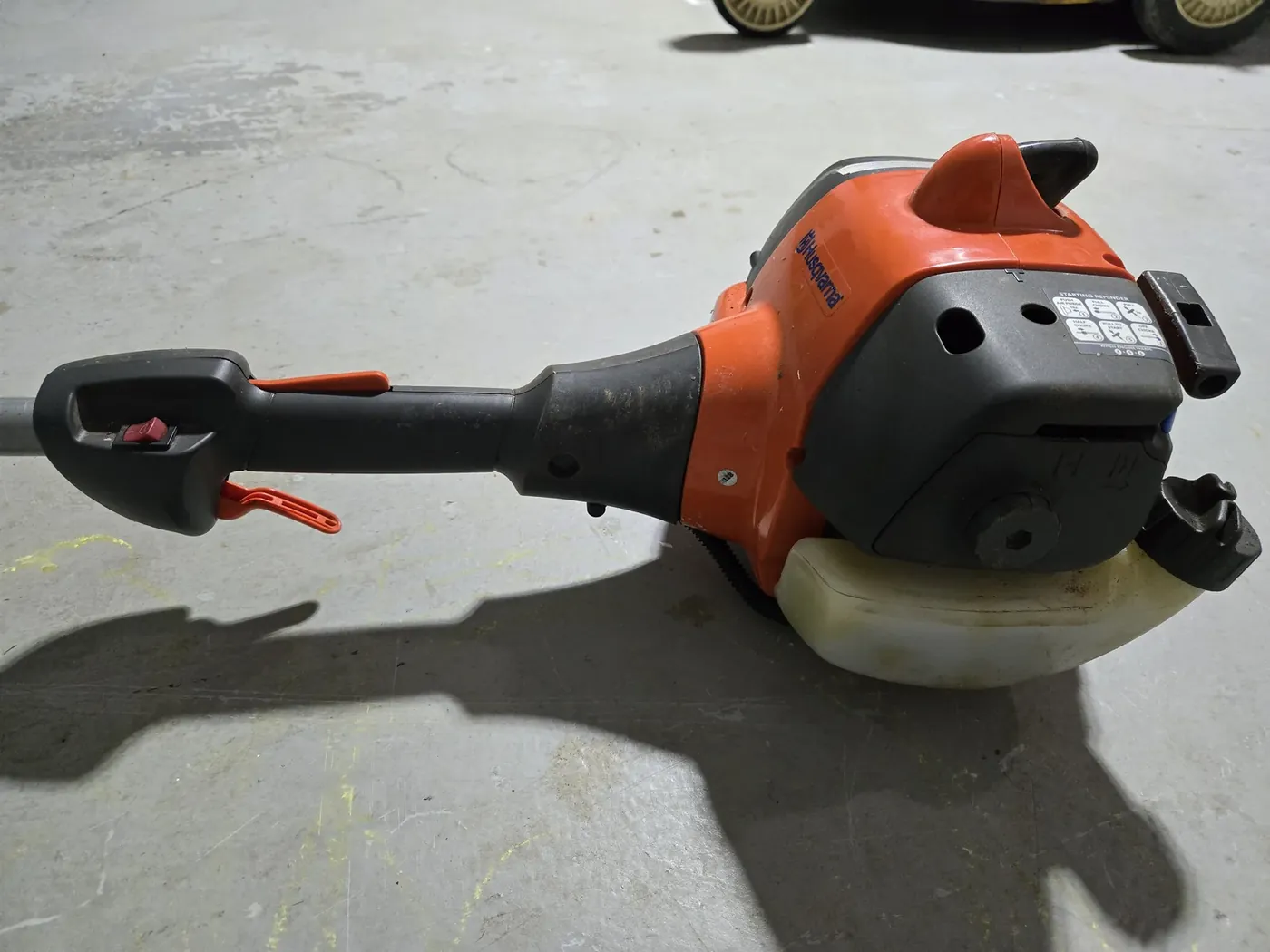
The Two-Strokes: Trimmer and Backpack Blower
Two-stroke carburetors are tiny, and stale premix varnishes them shut faster than anything on a mower. The routine mirrors the mower shutdown, but even simpler because the tanks are so small:
- Last job of the season: run them dry. Put in only what the job needs, and when it’s done, let the engine idle until it starves and dies. That empties the carb — the part that matters.
- Dump or use up leftover premix. Mixed gas doesn’t keep over a winter unless it was made with stabilized or ethanol-free gas. Mix small batches — one gallon at a time with premeasured 2-stroke oil — and this problem mostly disappears; the ethanol-free habit helps every engine in the garage.
- Wipe them down, check the trimmer head. Winter is when the head gets fresh line — a spool that baked in the garage all summer is spring’s brittle, snapping line.
- Hang them. Level, off the floor, tanks empty.
The Pressure Washer: It’s the Pump That Dies
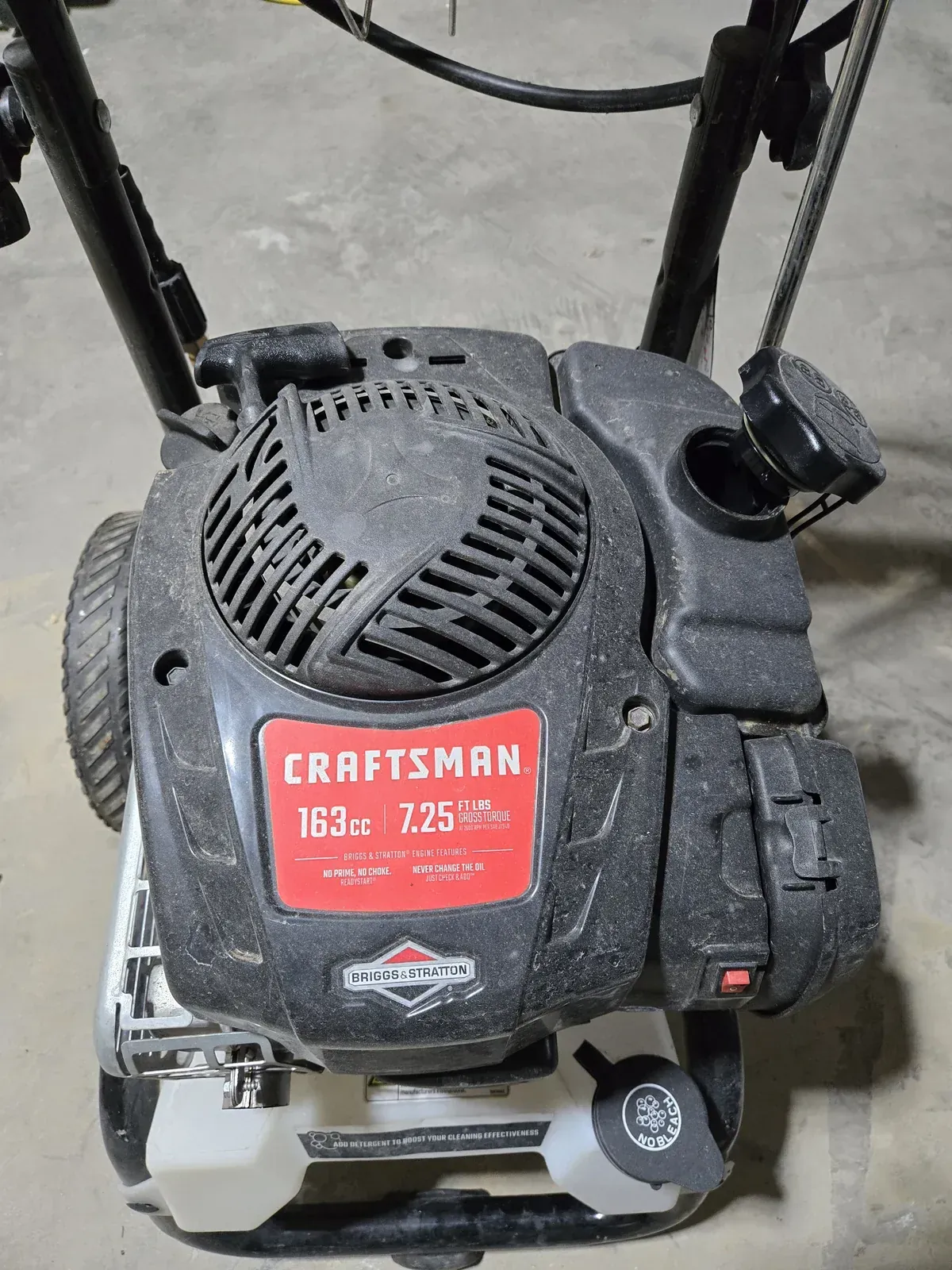
Nobody’s pressure washer engine dies over the winter — the pump is what dies. Water trapped in it freezes and cracks the manifold, and even in a mild winter the internal seals dry out and stick after months of sitting. My Craftsman 2800 gets its hoses drained and its tank run dry before it parks. The pump-saver step below is the one I’ve never actually done — Atlanta’s garage winters have let me get away with it — but it’s the step every manual leads with, and if your garage sees real freezes, don’t skip it:
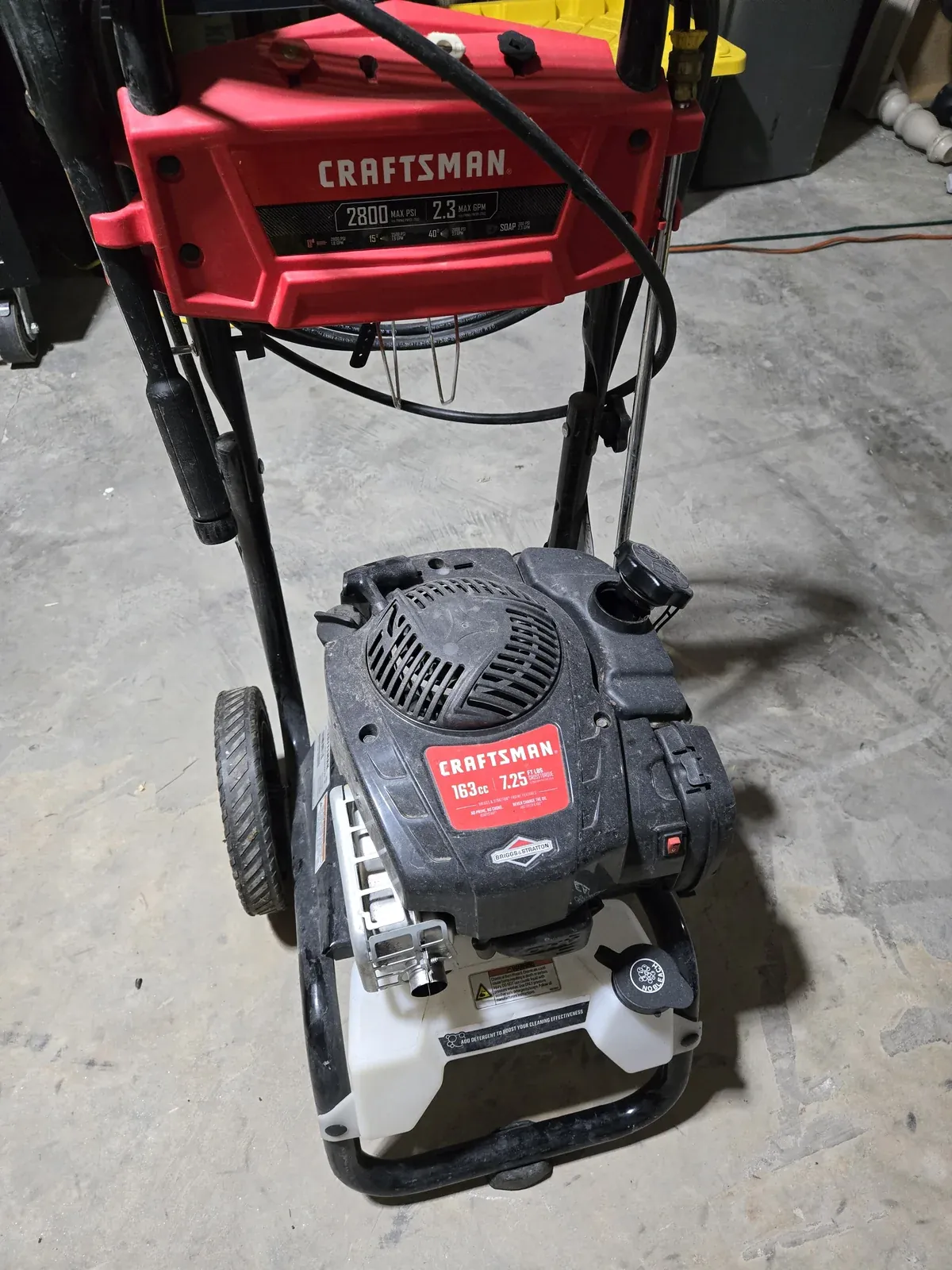
- Disconnect the garden hose, squeeze the wand trigger to dump the pressure, and drain the high-pressure hose.
- Fuel: same decision as every other engine — run the tank dry on the last job, or store it full of stabilized gas after running the treated fuel through for a few minutes.
- Pump saver through the pump — if it’ll freeze. Screw the bottle onto the garden-hose inlet and push the foam through until it comes out the outlet side. One minute. It displaces the trapped water and leaves the seals coated in lubricant instead of drying out. I’ve skipped it so far because my garage rarely drops below freezing for long; anywhere colder, it’s the cheapest insurance in this whole article.
- Store it where it won’t freeze hard — the garage handles that in Atlanta — with the hoses drained and coiled.
Everything Off the Floor
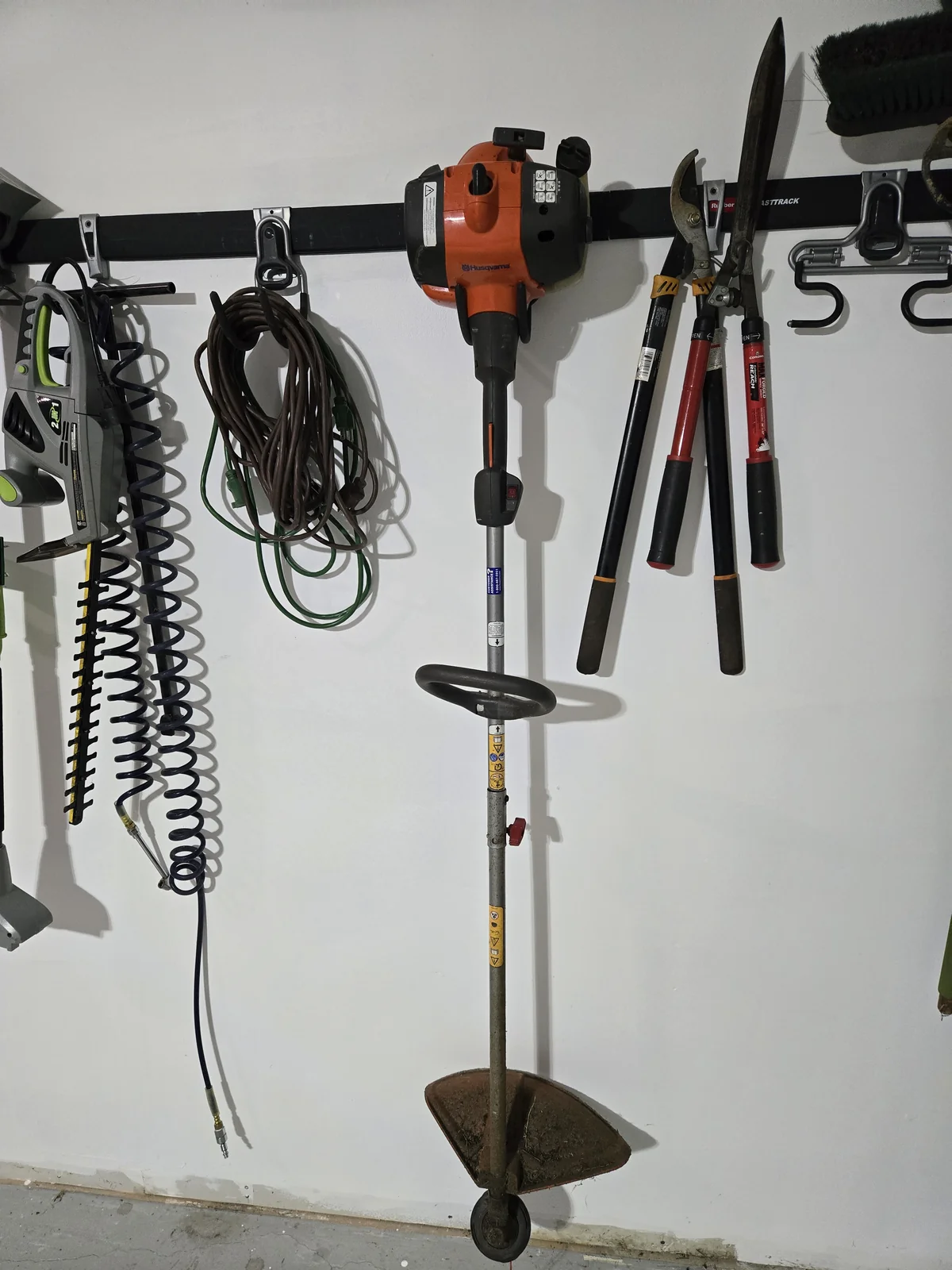
The last step is the one that makes March pleasant: everything hangs. Trimmers and blowers stored level don’t seep fuel where it shouldn’t go, nothing corrodes against damp concrete, and the garage stays walkable with a car in it. Mine hang from utility hooks on the Rubbermaid FastTrack rail — the same wall that holds the ladder and the rakes:
The Whole Shutdown, In Order
- Mower: the full routine — run dry, fall oil, deck scrape
- Trimmer + blower: run dry on the last job, fresh line on the trimmer’s spool
- Pressure washer: hoses drained, tank run dry, pump saver if your garage freezes
- Gas cans: run down, stabilize, or fill with ethanol-free
- Everything on the wall — and the outdoor faucets get their covers the same afternoon
Thirty minutes in November, and every pull cord in the garage works on the first or second try in March.
Frequently Asked Questions
Should I run my trimmer and leaf blower dry for winter?
Same logic as the mower, simpler execution — on the last job of the season, run the tank dry and let the engine die from fuel starvation, which empties the carburetor. Two-strokes are even more carb-sensitive than mowers because their carbs are tiny, and stale premix varnishes them shut. The alternative is storing them on stabilized fuel, but on a trimmer or blower the tank is so small that running it dry costs nothing.
How long does mixed 2-stroke gas last?
Mixed two-stroke fuel starts degrading like any gas — figure 30 days for untreated pump-gas mix, a few months for mix made with stabilized or ethanol-free gas (most synthetic mix oils include some stabilizer). Don't carry summer premix into spring; mix fresh, and mix small batches — a gallon at a time — so it never sits long enough to matter.
Do I really need pump saver for a pressure washer?
The pump, not the engine, is what winter kills. Water left in the pump freezes and cracks the manifold, and even without a freeze, the seals dry out and stick over months of sitting. Pump saver is a foaming antifreeze-lubricant you push through the pump before storage; it takes one minute and costs less than any single pump part. In a garage in a mild climate it's still worth it for the seal conditioning alone.
How do you winterize a gas pressure washer?
Disconnect the garden hose and pull the trigger on the wand to dump the pressure, run the engine's tank dry (or stabilize it), then screw the pump saver bottle into the garden-hose inlet and push it through until foam comes out the outlet. Store it somewhere it won't freeze hard, hoses disconnected and drained.
Is it better to hang yard tools or leave them on the floor?
Hanging them keeps the tanks and carbs level (a trimmer leaned nose-down in a corner can seep fuel into places it shouldn't be), keeps tires and feet off damp concrete, and mostly it means you can find the wall behind them. Any rail or hook system works; mine hang on Rubbermaid FastTrack.
Products Mentioned in This Article

Husqvarna XP+ 2-Stroke Oil, 2.6 oz (6-Pack)
Premeasured 2.6-oz bottles of synthetic two-stroke oil — one bottle, one gallon of gas, correct 50:1 mix every time, with fuel stabilizer already in the formula. What the trimmer and backpack blower run on.
- Premeasured bottles kill the ratio math and the guesswork
- Includes stabilizer, which buys the mix months instead of weeks
- Full synthetic runs cleaner in small hot two-strokes
- Pricier per ounce than bulk quarts — but premeasured bottles mean the mix is never wrong
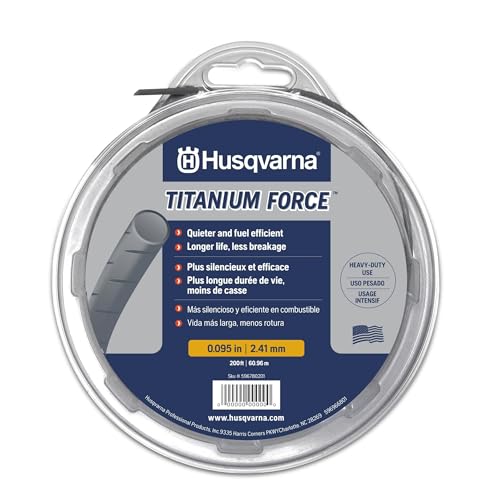
Husqvarna Titanium Force .095 Trimmer Line
Titanium Force .095 trimmer line. Off-season is when line gets replaced — a spool that spent the summer in a hot garage is next spring's brittle, constantly snapping line.
- Tough enough for fence lines without shredding on every pass
- Fresh line in spring beats fighting last year's brittle spool
- Fits any trimmer running .095
- .095 is mid-weight — check what your trimmer head is rated for before sizing up

Husqvarna 350BT Backpack Leaf Blower (50cc, 692 CFM)
The current version of the backpack blower I run (mine is the older, smaller 150BT — Amazon stocks the 350BT these days). It's the tool in this article with the fussiest carburetor, which is exactly why it gets run dry on the last job.
- Moves wet, matted November leaves that stall handheld blowers
- Backpack harness means your arms aren't done after twenty minutes
- Run it dry in the fall and it starts on the second pull in spring
- Serious overkill for a small lot with one tree — this class of blower is for real leaf volume
- Two-stroke engine — it wants 50:1 premix and a run-dry before winter storage

Rubbermaid FastTrack Utility Hook
The hook the trimmer and hedge trimmer hang from on my FastTrack rail. Hanging the two-strokes level keeps fuel where it belongs over the winter and keeps them off damp concrete. Holds up to 50 lbs.
- Holds a trimmer, a hedge trimmer, or an extension cord without a second thought
- Soft coating doesn't scratch tool housings
- Slides on and off the rail without tools, so the wall gets rearranged every season
- Only fits Rubbermaid FastTrack rails
Prices shown were retrieved from Amazon on Oct 8, 2026, 2:37 PM UTC. Product prices and availability are accurate as of the date/time indicated and are subject to change. Any price and availability information displayed on Amazon at the time of purchase will apply to the purchase of this product.