Two mature poplars can bury a quarter-acre yard past what any mower wants to mulch — I know because mine do it every October. Over the years the leaf system here has settled into three tools with three different jobs: a backpack blower for moving volume, the mower for the light early weeks, and a walk-behind leaf vacuum for turning the deep drifts into bags of shredded mulch. This guide is the decision I wish someone had laid out before I bought anything: what each class of tool is actually for, and where the money stops being worth it.
The Options, Smallest to Largest
Rake and tarp. Free-ish, silent, good exercise, and honestly competitive on small yards with curb pickup: rake or blow onto a tarp, cinch, drag to the curb. The tarp is the most underrated tool in this whole category. What it can’t do is shrink leaves — you’re hauling fluff.
Handheld blower-vac (corded or battery). The Toro-class 3-in-1s blow, vacuum, and shred through a metal impeller into a shoulder bag. As a whole-yard tool they’re slow, but as a beds, corners, and fence-line tool they’re exactly right — a blower redecorates a flower bed, a vacuum cleans it. Shredding matters more than it sounds: leaves reduce about 10-to-1, so one bag holds ten bags’ worth.
Mulching with the mower. While the drop is thin and dry, the easiest answer is no cleanup at all — mow over them and the shreds vanish into the lawn and feed it. This carries the first weeks of leaf season for free (the mower’s blade being sharp helps). It stops working when the layer gets deep or wet.
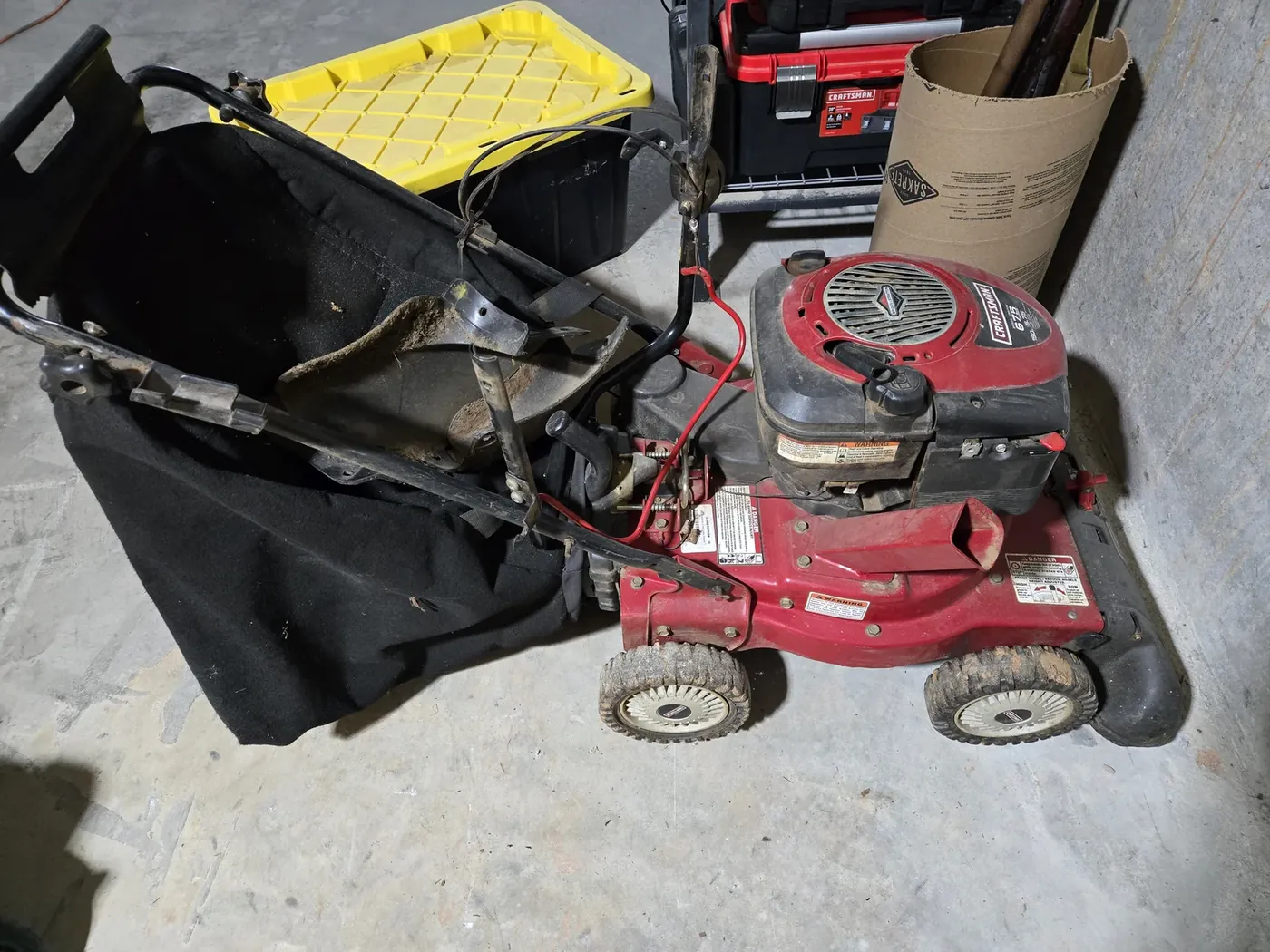
Walk-behind leaf vacuum. A mower-shaped machine that is only a vacuum: wide nozzle in front, impeller that shreds, big bag behind. This is my Craftsman, and it’s the class of machine nobody knows exists between a $70 handheld and a $2,000 Billy Goat:
Tow-behind and Billy Goat class. Truck-loader vacuums, tow-behind sweepers for tractors, the commercial walk-behinds. For an acre-plus of canopy or municipal-scale piles. If you’re reading a quarter-acre guide, this tier is how you spend $2,000 to store a second mower.
What I Actually Do on a Quarter Acre
- Early season, light drop: mow over them. Done.
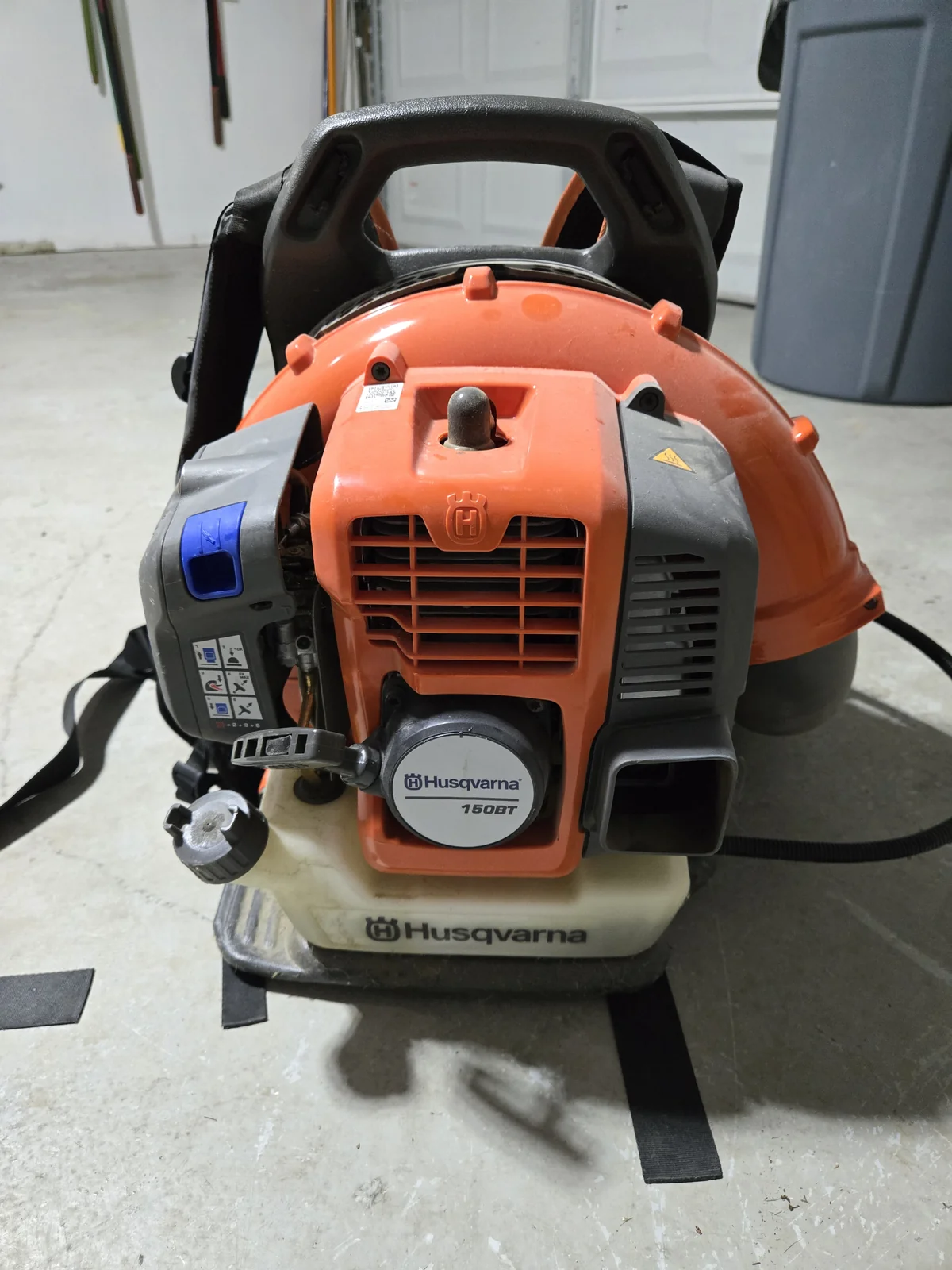
- Peak weeks: backpack blower moves everything out of beds and corners and into long rows on the open lawn. This is 80% of the labor and the blower does it in a fraction of handheld time — wet or dry.
- The rows: walk the leaf vacuum down them. The impeller shreds roughly 10 bags of leaves into 1, and the shredded stuff either goes on the beds as free mulch or into pickup bags that actually close.
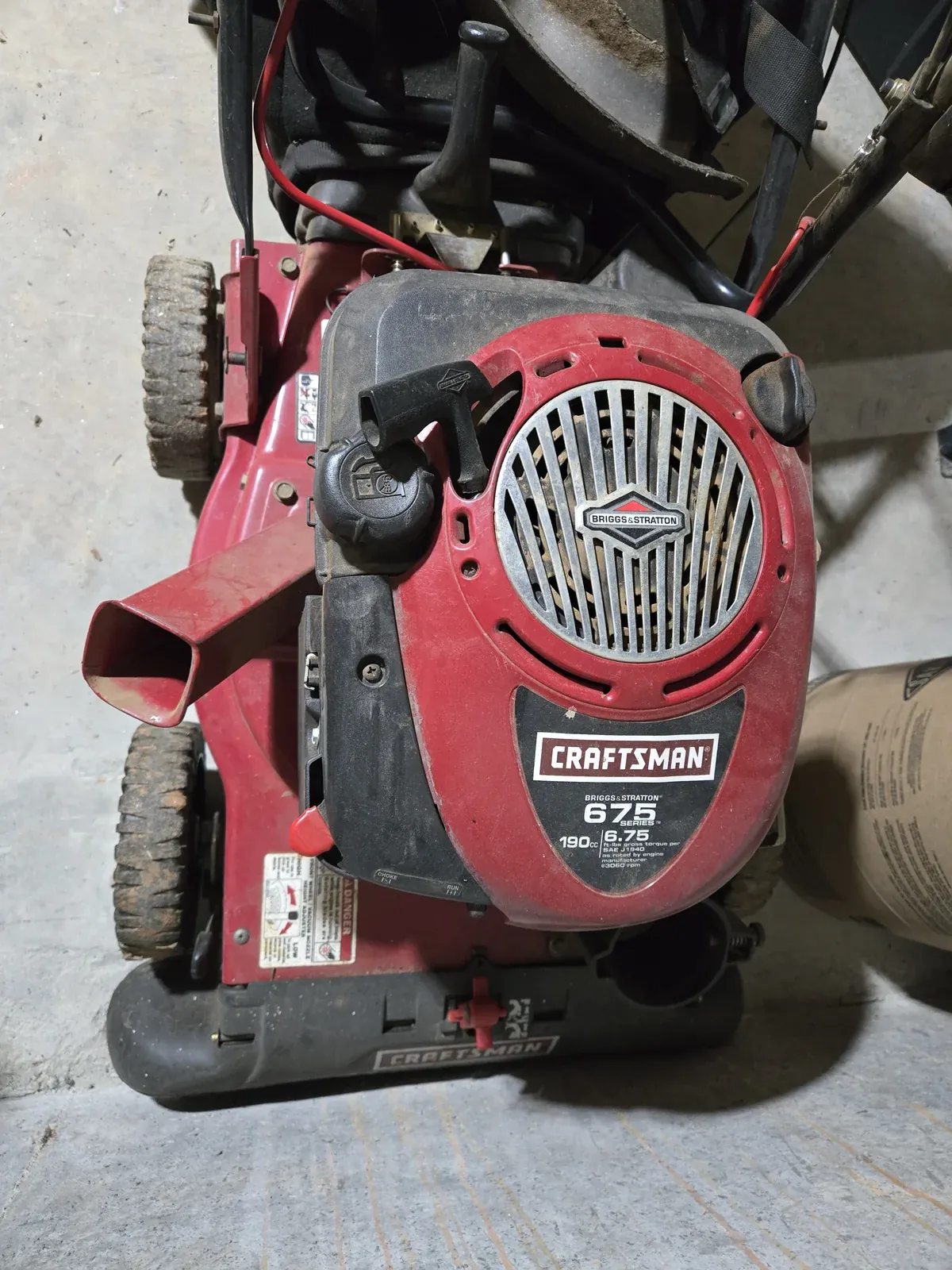
The honest catch on the walk-behind class: the good ones mostly aren’t sold new on Amazon anymore. Mine is a Craftsman that’s long discontinued, and nothing currently listed in the category passes the review bar I use for recommendations on this site. If the walk-behind tier is your volume, the play is the used market — Craftsman, Troy-Bilt, and Cub Cadet all made this machine around the same Briggs engines, they’re mechanically simple, and they turn up on Facebook Marketplace every fall. Look for an impeller that spins free and a bag without rot; everything else is standard small-engine maintenance.
What is worth buying new is the tool that does the volume work:
Which Setup for Which Yard
- Small lot, one tree, curb pickup: rake or a handheld blower + the drawstring tarp. Stop there.
- Medium yard, a few trees: handheld 3-in-1 (blow the lawn, vacuum the beds) + mow-mulching the light weeks.
- Quarter to half acre under big canopy (me): backpack blower + mower early, walk-behind vacuum for the deep weeks.
- Acre-plus of canopy: now you’re shopping tow-behind — different article, different budget.
Bottom Line
Match the tool to the volume: mulch with the mower while it’s thin, blow the bulk into rows when it’s deep, and shred what has to leave the property — 10-to-1 is the difference between a truckload and a trunk-load. The walk-behind vacuum tier is real and it’s the right size for a heavy quarter acre; it just lives on the used market these days. And every one of these gas engines gets the same run-dry-and-park winter treatment when the last leaf is down.
Frequently Asked Questions
Is it better to mulch leaves or pick them up?
Mulching in place with the mower is the least work and it feeds the lawn — it's the right answer while the leaves fall thin and dry. It stops being the answer when the layer gets thick enough that the mower leaves visible shredded windrows, or the leaves are wet and matting. Under a couple of big trees you'll mulch the first few passes of the season and haul the peak weeks.
Is a walk-behind leaf vacuum worth it?
A walk-behind leaf vacuum earns its garage space when you have serious volume — mature trees dropping more than the mower can mulch — but not the acreage or budget for a tow-behind unit. Mine handles a quarter acre under two big poplars. Below that volume, a handheld blower-vac and the mower cover it; above it (an acre-plus of canopy), the tow-behind and Billy Goat class starts making sense.
How much do mulched leaves reduce in volume?
Shredded leaves shrink roughly 10-to-1, which is the entire point of vacuum-mulchers — a bag of whole leaves is mostly air. Shredded leaves also make excellent free mulch for beds and compost that actually breaks down over winter, instead of matting into wet leaf lasagna.
Should I blow or vacuum leaves?
Blow when moving leaves to a pile or the curb — it's five times faster than any vacuum. Vacuum when the goal is shredded, bagged material for beds or pickup, or for cleaning beds and corners a blower would just redecorate. On a big cleanup you'll do both — blow the bulk into rows, then vacuum the rows.
Products Mentioned in This Article
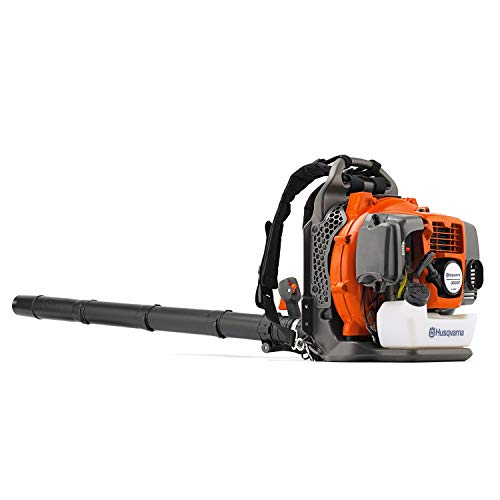
Husqvarna 350BT Backpack Leaf Blower (50cc, 692 CFM)
The current version of the backpack blower I run (mine is the older, smaller 150BT — Amazon stocks the 350BT these days). A backpack blower is the single biggest upgrade in leaf season; it moves the bulk of the yard into rows in a fraction of handheld time.
- Moves wet, matted November leaves that stall handheld blowers
- Backpack harness means your arms aren't done after twenty minutes
- X-Torq two-stroke sips fuel for what it moves
- Serious overkill for a small lot with one tree — this class of blower is for real leaf volume
- Two-stroke engine — it wants 50:1 premix and a run-dry before winter storage

Toro 51609 Ultra 12A Electric Blower/Vacuum/Mulcher
The standard handheld blower/vacuum/mulcher with a metal impeller — the right tool for vacuuming beds, corners, and fence lines into shredded mulch without hauling out bigger machinery.
- Metal impeller actually shreds instead of just moving leaves into a bag
- Blower, vacuum, and mulcher in one tool instead of three
- The right scale for lots where a backpack blower is overkill
- Corded — you live within an extension cord of the beds you're cleaning
- The bag fills fast in peak season; it's a bed-and-corner tool, not a whole-yard tool

Rocky Mountain Goods Drawstring Leaf Tarp (9' x 9')
A drawstring leaf tarp, for the most underrated leaf system there is — blow or rake onto the tarp, cinch, drag. If your city collects loose leaves at the curb, this plus a blower is the whole system.
- Drawstring turns a slippery leaf pile into a haulable bundle
- Vastly faster than bagging for curb-pickup towns
- Packs to nothing the other eleven months
- It's a tarp — wind is its enemy; load it in the lee of the house or weigh the corners
Prices shown were retrieved from Amazon on Oct 8, 2026, 2:37 PM UTC. Product prices and availability are accurate as of the date/time indicated and are subject to change. Any price and availability information displayed on Amazon at the time of purchase will apply to the purchase of this product.