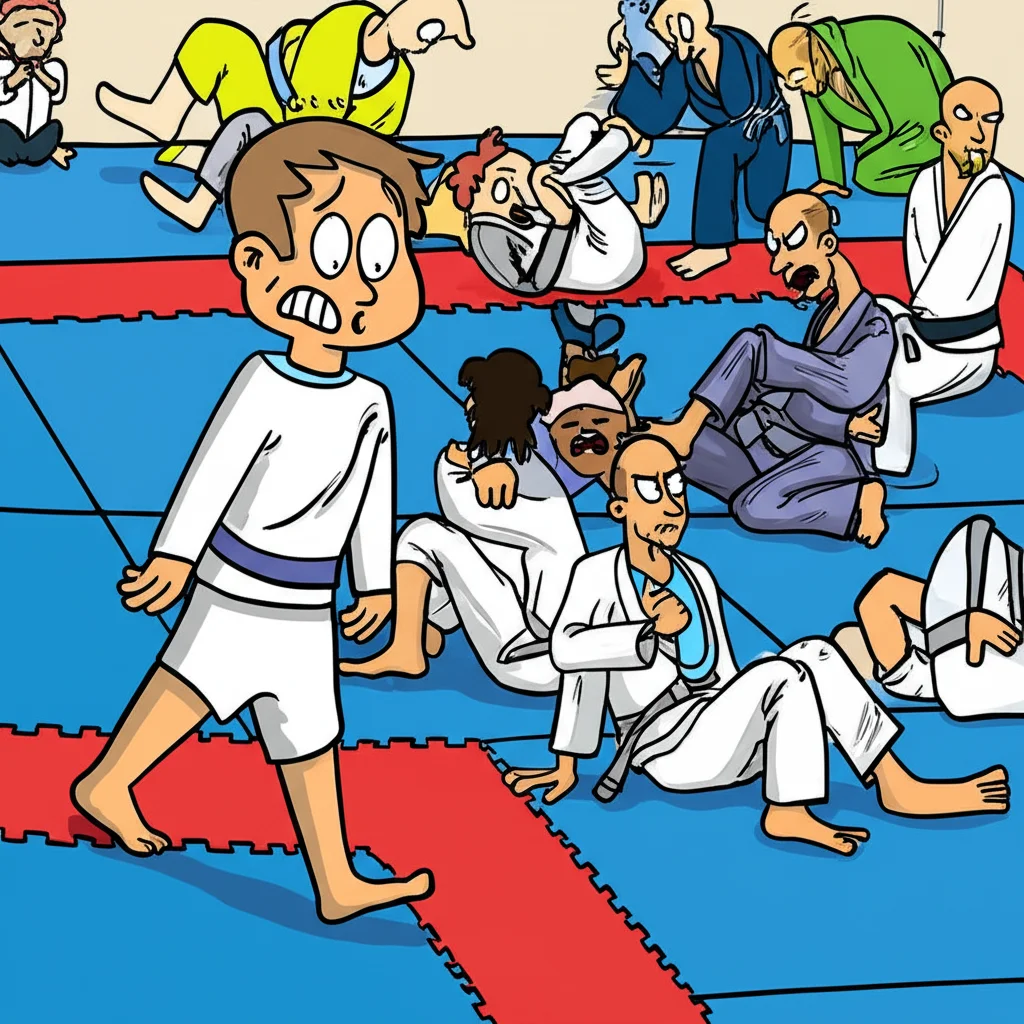
Your first no-gi BJJ class is going to be one of the most humbling experiences of your adult life. A person half your size is going to twist you into a shape you didn’t know your body could make, and you’re going to tap — a lot. But if you’re going to get beat up, you might as well look good and feel comfortable doing it.
I started no-gi about a year ago as a white belt in my 30s, and I walked into my first class wearing basketball shorts and a cotton t-shirt. Within five minutes I learned that cotton gets soaking wet, basketball shorts have pockets that fingers get caught in, and a regular t-shirt rides up to your neck when someone is dragging you across the mat. I drove straight to my phone after class and started ordering proper gear.
Here’s everything I actually wear now, what worked, what didn’t, and the one hygiene product that’s more important than everything else combined.
Quick answer: For your first no-gi class, you need three things: a long sleeve rash guard (Sanabul Essentials), compression shorts (DEVOPS), and grappling shorts (RDX MMA Shorts) — together, less than a gi. Then buy Defense Soap and shower immediately after every class — skin health is not optional.
Rash Guards — Your Most Important Piece
A rash guard is just a tight-fitting athletic shirt made for grappling. It protects your skin from mat burn, keeps things like ringworm and staph at bay (more on that later), and prevents your training partners from grabbing fistfuls of loose fabric.
You want one that fits snug but doesn’t restrict movement. Too loose and it bunches up. Too tight and you’ll gas out faster because your breathing is restricted. For a deeper dive on brands, durability, and long sleeve vs. short sleeve, check out our best BJJ rash guard guide.
Long Sleeve — My Go-To
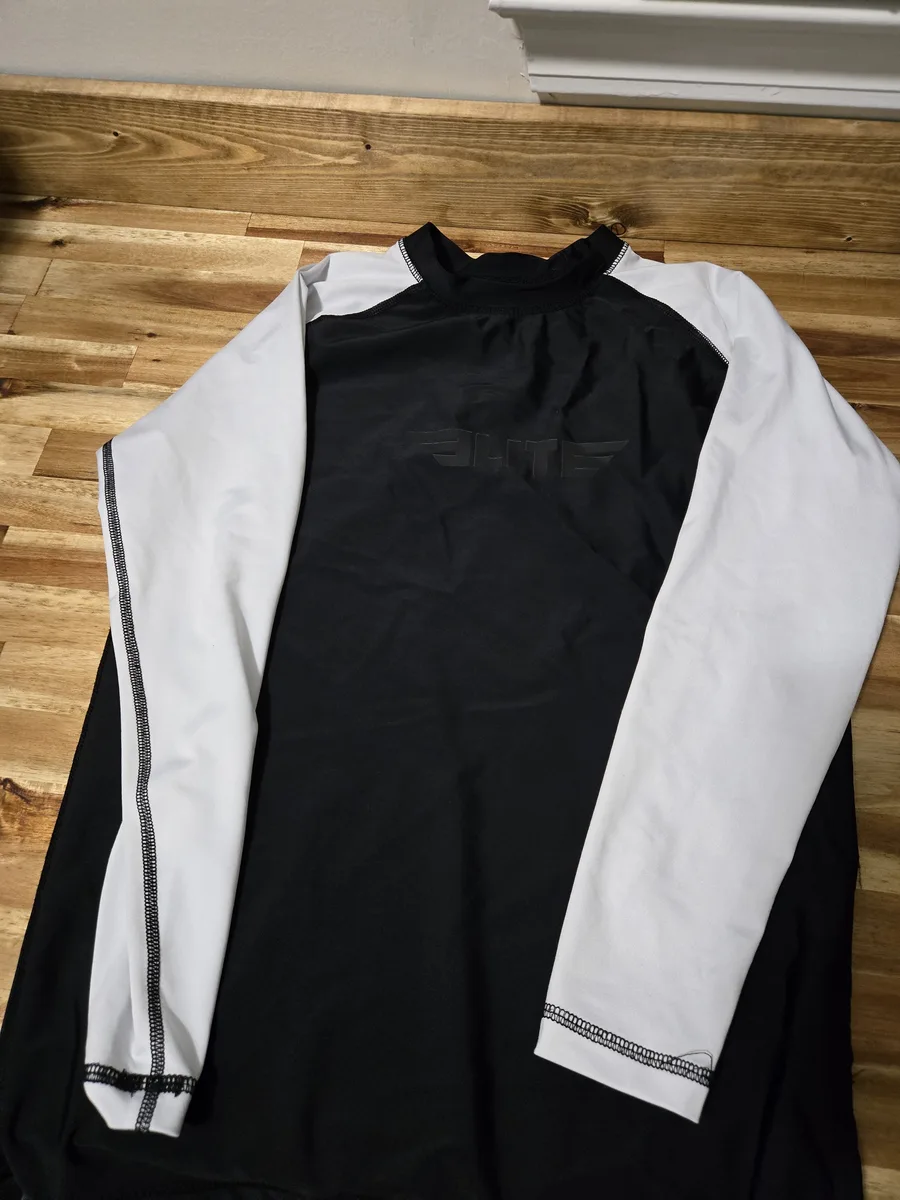
The Sanabul Essentials Long Sleeve Rash Guard Check price on Amazon is what I wear to almost every class. I started with long sleeves for two reasons: skin protection and warmth. Our gym’s mats are cold in the winter, and when you’re rolling around on the ground for an hour, exposed skin on cold mats gets uncomfortable fast.
But the bigger reason is skin health. Long sleeves mean more coverage, which means less skin-to-skin and skin-to-mat contact. When you’re brand new and your immune system hasn’t built up resistance to the assorted bacteria that live on grappling mats, you want every inch of coverage you can get. I’ll talk more about this in the soap section, but trust me — cover up.
The Sanabul has held up through months of training, multiple washes per week, and hasn’t stretched out or developed any weird smells (some compression gear does). For the money, it’s hard to beat. The only downside is the sizing runs a little small — if you’re between sizes, go up.
Short Sleeve — For Warm Weather
The Sanabul Essentials Short Sleeve Rash Guard Check price on Amazon is my warm weather option. Same quality construction as the long sleeve, same fit, just less coverage. The stitching is solid and it hasn’t shown any signs of wear.
I only use this when the gym is hot or during summer open mats. If it’s your very first day, go long sleeve. You can always switch to short sleeve later once you’ve got the skin care routine down.
Compression Shorts — The Foundation Layer
This is the piece nobody tells you about before your first class, and it’s arguably the most important one for comfort.
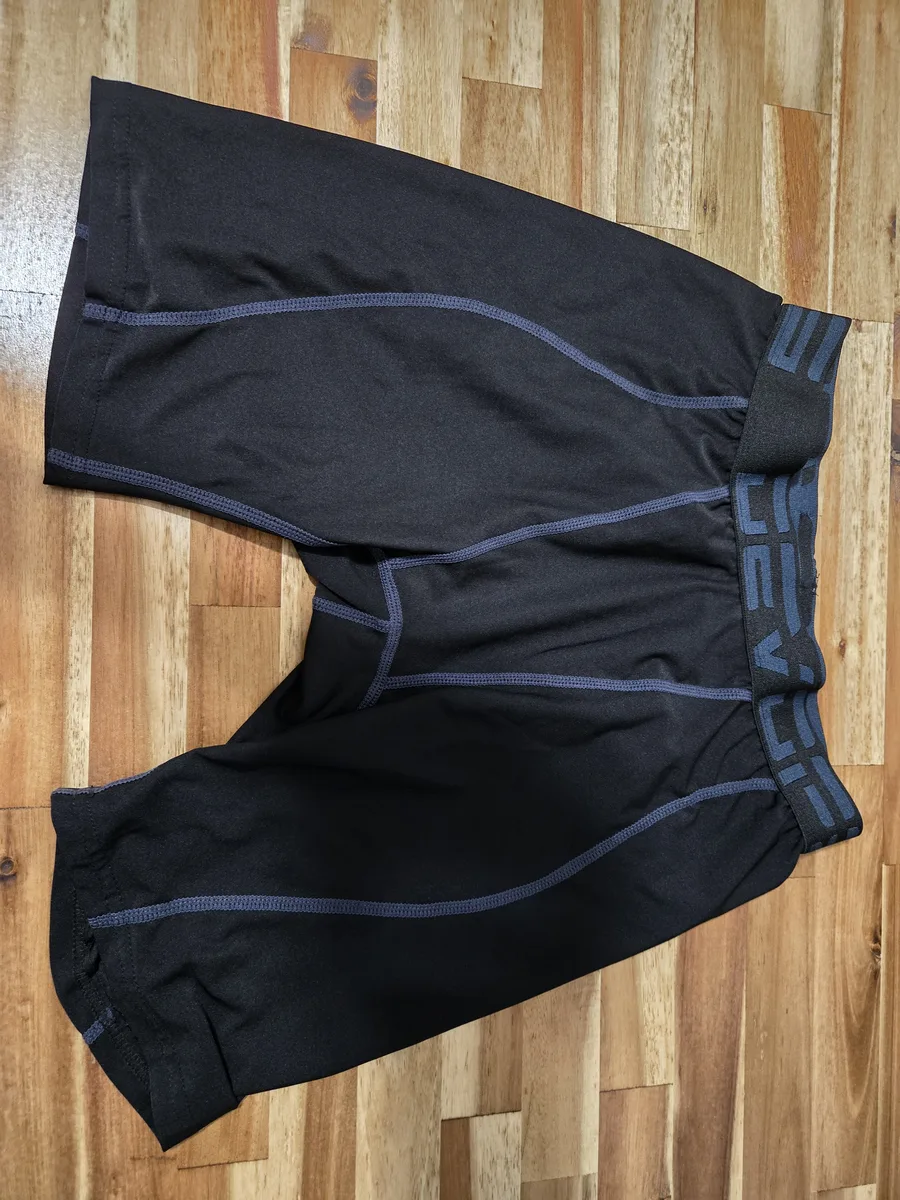
The DEVOPS Compression Shorts Check price on Amazon are my daily base layer — and I mean daily. I wear these under everything, not just for BJJ. They keep everything tucked and secure, which matters a lot when someone is trying to pass your guard and their knee is heading toward places you’d rather protect.
These come in multi-packs, which is smart because you’ll go through them fast with the constant washing. The compression is firm without being uncomfortable, and the waistband stays put during rolling. No riding up, no adjusting mid-round.
Shorts — What Goes Over the Compression Layer
Your shorts setup for no-gi is: compression shorts underneath, then either compression pants (spats) or grappling shorts over the top. Some people wear spats alone, some wear shorts over spats, some just wear shorts over compression shorts. All of these are acceptable. Here’s what I use.
RDX Shorts — My Favorite Pair
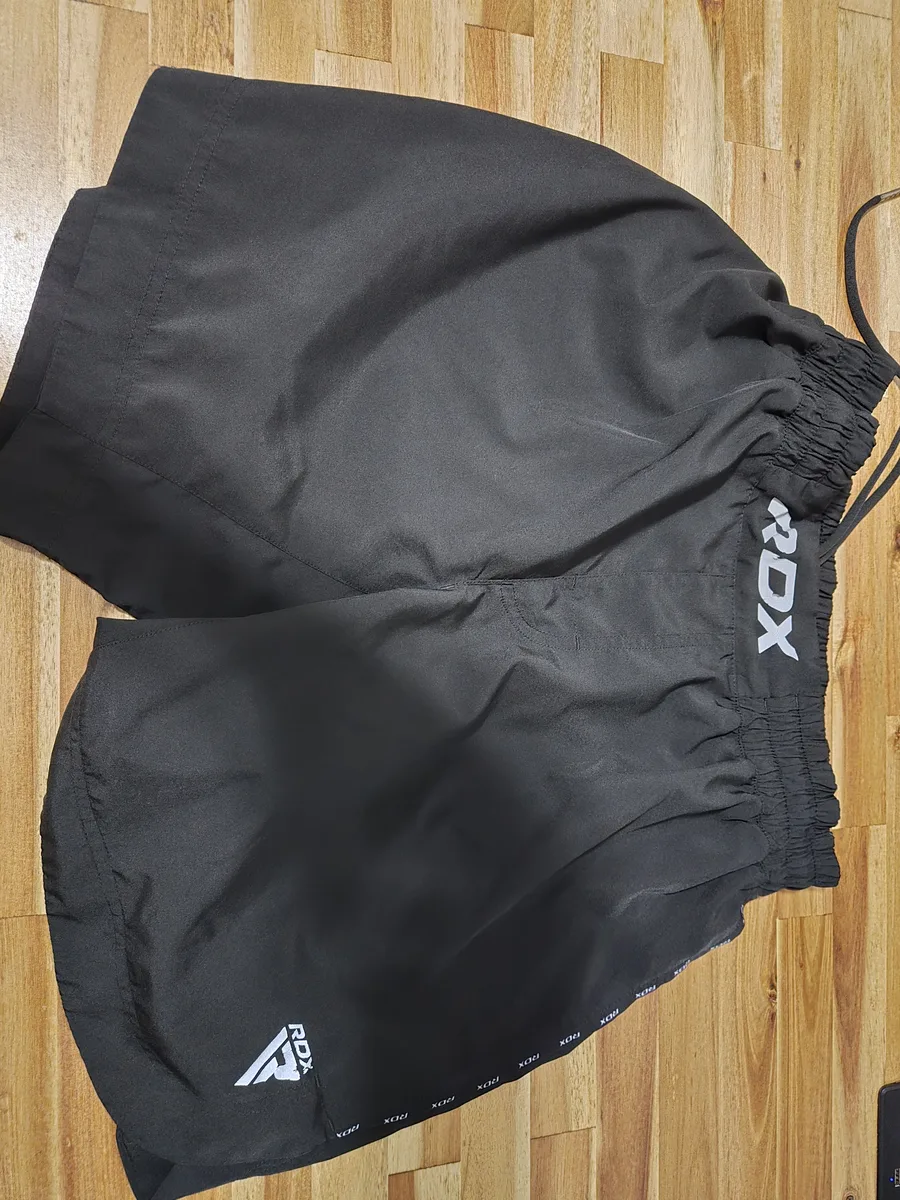
The RDX MMA Shorts Check price on Amazon are my number one pick. They’re lightweight, they don’t have pockets (critical — pockets catch fingers and toes), and the material has a slight grip to it that keeps them from sliding up your legs during rolls. The drawstring waistband stays tight and I’ve never had them come untied mid-round.
They’re also stretchy enough that you can throw up a triangle without feeling restricted. They’ve been the best value in my gear bag.
Sanabul MMA Shorts — Runner Up
The Sanabul Essential MMA Shorts Check price on Amazon are my second pair. The fabric is a little softer than the RDX, which some people prefer. They don’t slide around as much during ground work. Good shorts, no complaints — I just reach for the RDX pair first out of habit.
What NOT to wear: No basketball shorts (pockets, loose fabric). No board shorts (metal grommets scratch people). No cargo shorts (obviously). No shorts with zippers (they dig into your partner’s skin). Basically, if it has anything that could snag, scratch, or catch a finger — leave it at home.
Compression Pants (Spats) — Full Leg Coverage
Spats go over your compression shorts and under your grappling shorts. They add another layer of skin protection and help with mat burn on your knees and shins, which you’ll get a lot of as a white belt because you’ll be on your knees constantly.
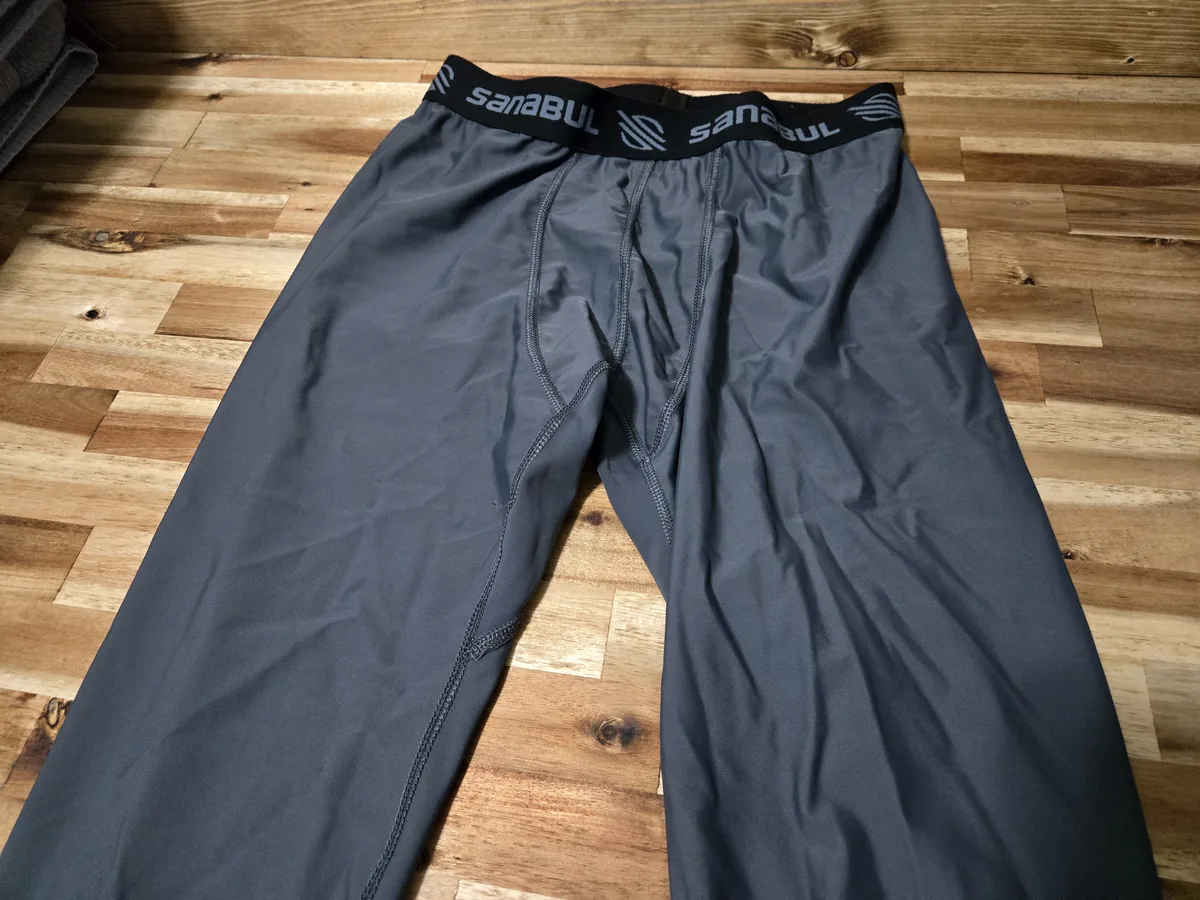
I’ll be honest here: the Sanabul Essential Compression Tights Check price on Amazon are comfortable and affordable, but mine are falling apart after a few months. The seams are separating, and I’ve got a hole developing in the knee area.
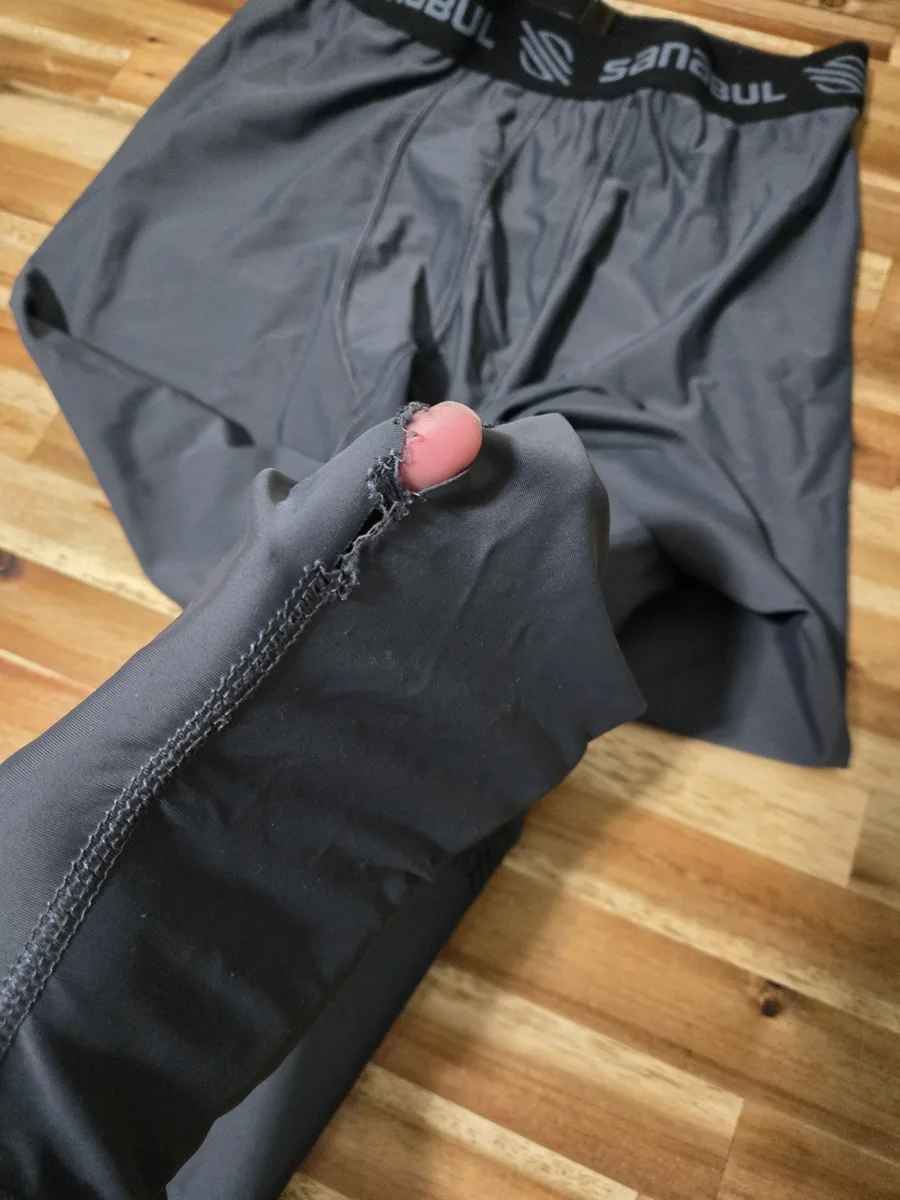
For a first pair to see if you like wearing spats? They’re fine. But if you know you want spats as part of your regular setup, spend a little more upfront. The Elite Sports BJJ Spats Check price on Amazon are a step up in durability for a little more. Reinforced stitching, better stretch recovery, and they hold compression longer without bagging out at the knees.
The Cup Question
Here’s a topic that comes up in every BJJ beginner thread: should you wear a cup?
I started with the Diamond MMA Compression Jock Short Check price on Amazon, which is actually an integrated system — compression shorts with a built-in cup pocket. The cup itself is comfortable and stays in place way better than the old-school jock strap setups.
But here’s what I learned after a few months: most no-gi people don’t wear cups, and there’s a good reason. When your training partner is working an armbar from guard or taking your back, that hard cup digs into them. It’s uncomfortable for them and it can actually cause injuries — imagine a hard plastic edge pressing into someone’s inner thigh during a tight closed guard. It’s not great.
I’ve since ditched the cup and just learned to be more aware of positioning. It takes some getting used to — especially when someone is playing X-guard and their foot is in dangerous territory — but you develop an instinct for protecting yourself pretty quickly. If you’re really worried about it, wear the cup for your first few weeks until you get comfortable with the positions, then phase it out.
Skin Health — The Most Important Section in This Article
This isn’t the most exciting topic, but it might be the most important one. BJJ mats are warm, moist environments where skin is constantly pressing against skin and shared surfaces. Ringworm, staph infections, and various fungal issues are real and common. I’ve seen training partners miss weeks of mat time because they didn’t take skin care seriously.
Rule number one: shower immediately after training. Not “when I get home.” Not “after I run some errands.” Immediately. The bacteria that cause skin infections need time to establish themselves, and the faster you wash, the better your odds.
Rule number two: use the right soap. Regular body wash isn’t designed to fight the specific bacteria you encounter on the mats. You want something with tea tree oil and eucalyptus, which are natural antifungals and antibacterials.
The Defense Soap Bar (2-Pack) Check price on Amazon is what I use and what most experienced grapplers recommend. It was literally created by wrestlers for exactly this purpose. Tea tree oil and eucalyptus oil are the active ingredients, and it lathers well without drying out your skin. A 2-pack lasts me about a month with regular training.
The Gold BJJ Submission Soap Check price on Amazon is my runner-up. Similar tea tree formula, works well, slightly smaller bar. Both are solid choices — the important thing is that you use one of them consistently.
Rule number three: scrub your feet. I’m serious. Get between every single toe. Your feet are on those mats the entire time, and athlete’s foot is the gateway drug to worse skin issues. Scrub the tops, the bottoms, between every toe, and don’t skip it because you’re tired after a hard round.
Rule number four: wash your gear after every single session. Don’t be the person whose rash guard smells like a forgotten gym locker. Your training partners will appreciate it, and reusing sweaty gear is a fast track to skin problems.
If you’re training regularly and want to stay on the mat long-term, our BJJ injury prevention guide covers the prehab equipment that keeps your neck, shoulders, and knees healthy.
The Full Layering System
Here’s exactly what I wear to every no-gi class, from skin out:
- Compression shorts (DEVOPS) — base layer, keeps everything secure
- Compression pants/spats (currently Sanabul, upgrading to Elite Sports) — skin protection, mat burn prevention
- Mouthguard — not optional, protect your teeth
- Long sleeve rash guard (Sanabul) — maximum skin coverage
- Mouthguard — not optional, protect your teeth
- Flip flops — for walking to and from the mats (never walk barefoot off the mats, never walk on the mats with shoes)
Total cost to get started: everything except the mouthguard for less than a single gi from most reputable brands.
For the gi side of things or if your gym does both, our CrossFit grips guide covers hand and grip protection that applies to rope climbs, pull-ups, and barbell work.
Product Comparison
| Product | Type | Rating | Best For |
|---|---|---|---|
| Sanabul Long Sleeve Rash Guard | Rash Guard | ★★★★½ | Cold weather, max skin coverage |
| Sanabul Short Sleeve Rash Guard | Rash Guard | ★★★★½ | Warm weather training |
| DEVOPS Compression Shorts | Base Layer | ★★★★½ | Daily base layer |
| RDX MMA Shorts | Grappling Shorts | ★★★★½ | Best overall training short |
| Sanabul MMA Shorts | Grappling Shorts | ★★★★ | Softer alternative |
| Sanabul Compression Tights | Spats | ★★★½ | Budget starter pair |
| Elite Sports BJJ Spats | Spats | ★★★★ | Durable upgrade pick |
| Diamond MMA Cup System | Protective | ★★★★ | First few weeks only |
| Defense Soap (2-Pack) | Hygiene | ★★★★★ | Post-training skin protection |
| Gold BJJ Submission Soap | Hygiene | ★★★★½ | Budget soap alternative |
Frequently Asked Questions
What should I wear to my first no-gi BJJ class?
At minimum: a rash guard (long sleeve preferred for skin protection), compression shorts as your base layer, and grappling shorts with no pockets or zippers. Do NOT wear cotton t-shirts (they get soaking wet and ride up), basketball shorts (pockets catch fingers), or anything with metal hardware that could scratch your training partner.
Do you need a cup for no-gi BJJ?
Most experienced no-gi practitioners don’t wear one. While a cup protects you, the hard edges can dig into your training partners during positions like closed guard, armbars, and back takes. I wore one for my first few weeks and then ditched it. You develop positioning awareness pretty quickly. Some gyms have specific rules, so check first.
How do you prevent ringworm and staph from BJJ?
Shower immediately after every training session with an antifungal soap like Defense Soap or Gold BJJ Submission Soap. Scrub everywhere — especially between your toes. Wear long sleeves for maximum skin coverage. Wash your gear after every single session. These four habits prevent the vast majority of skin issues.
How much does no-gi BJJ gear cost to get started?
Less than a single decent gi covers everything. A rash guard, compression shorts, grappling shorts, and Defense Soap gets you ready for your first class. Adding compression pants and a short sleeve rash guard for warm days is still less than a single quality gi.
Bottom Line
- If you buy nothing else: Get a long sleeve rash guard and Defense Soap. Skin protection is the priority.
- The starter kit: Sanabul long sleeve rash guard + DEVOPS compression shorts + RDX grappling shorts + Defense Soap and you’re ready for your first class.
- Full setup: Add compression pants and a short sleeve rash guard for warm days.
- Skip the cup after your first few weeks unless your gym specifically requires one.
- Shower immediately after every training session with proper soap. This is not negotiable.
Your first day is going to be weird, uncomfortable, and kind of amazing. You’ll get tapped by everyone, you won’t know what any of the positions are called, and you’ll use muscles you didn’t know existed. But a year from now, you’ll be the one calmly explaining to a nervous newcomer that the key to surviving is showing up consistently — and having the right gear helps you show up without worrying about the wrong things.
Now go get choked. You’ll love it.
Products Mentioned in This Article

Sanabul Essentials Long Sleeve Compression Rash Guard
Durable long sleeve rash guard with solid compression that holds up through months of training and washing.
- Compression holds after months of weekly washing
- Maximum skin coverage for protection against mat burn and infections
- Great value — hard to beat for the price
- Sizing runs a little small — go up if between sizes
- Not the most breathable when the gym is hot

Sanabul Essentials Short Sleeve Compression Rash Guard
Same quality construction as the long sleeve version with less coverage for warm weather training.
- Same solid stitching and fit as the long sleeve version
- More breathable for hot gym sessions and summer open mats
- No signs of wear after months of use
- Less skin coverage means more exposure to mat burn and infections
- Not recommended as your first rash guard — start with long sleeves
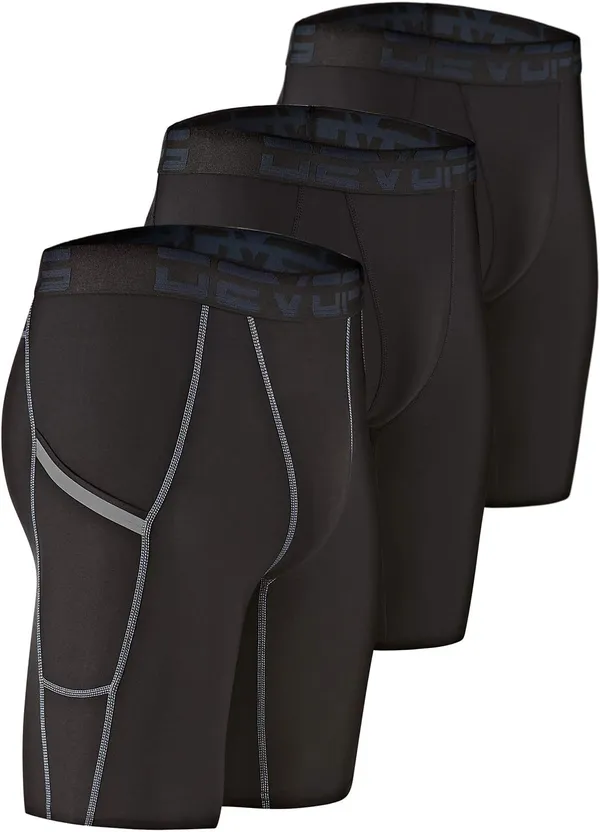
DEVOPS Men's Compression Shorts
Essential compression base layer that keeps everything secure during rolls and comes in multi-packs.
- Firm compression without being uncomfortable
- Waistband stays put during rolling — no riding up or adjusting
- Comes in multi-packs for frequent washing rotation
- Goes through them fast with constant washing
- Compression can loosen slightly after many wash cycles

RDX MMA Shorts for Training & Grappling
Lightweight grappling shorts with no pockets, slight grip material, and a secure drawstring waistband.
- No pockets or snag points that catch fingers and toes
- Material has a slight grip that keeps shorts from sliding up during rolls
- Stretchy enough to throw up a triangle without restriction
- Drawstring stays tied through entire rounds
- Limited color and design options
- Material is slightly stiffer than some alternatives

Sanabul Essential MMA BJJ Shorts
Softer-fabric grappling shorts that stay in place during ground work.
- Softer fabric than the RDX that some grapplers prefer
- Stays in place well during ground work
- No pockets or hardware that could snag
- Not quite as grippy as the RDX shorts during rolls
- Slightly less durable material overall

Sanabul Essential Compression Tights (Spats)
Affordable starter spats that are comfortable but show durability issues after a few months.
- Very affordable for a first pair of spats
- Comfortable fit and decent compression
- Seams start separating after a few months of regular training
- Holes develop in the knee area from mat work
- Not durable enough for long-term regular use
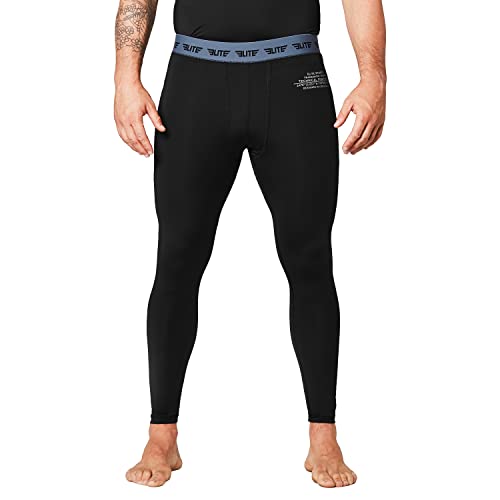
Elite Sports Men's BJJ Spats
Step-up spats with reinforced stitching and better stretch recovery for regular training.
- Reinforced stitching holds up much better than budget options
- Better stretch recovery that holds compression longer
- Doesn't bag out at the knees over time
- Slightly more expensive than the Sanabul spats
- Fewer color and design options available

Diamond MMA Compression Jock Short with Athletic Cup
Integrated compression shorts with built-in cup pocket — comfortable but most no-gi practitioners ditch it.
- Cup stays in place much better than old-school jock straps
- Integrated compression short design is comfortable
- Good option for your first few weeks while learning positions
- Hard cup edges dig into training partners during guard and armbars
- Most experienced no-gi practitioners stop wearing cups
- Expensive for something you may phase out
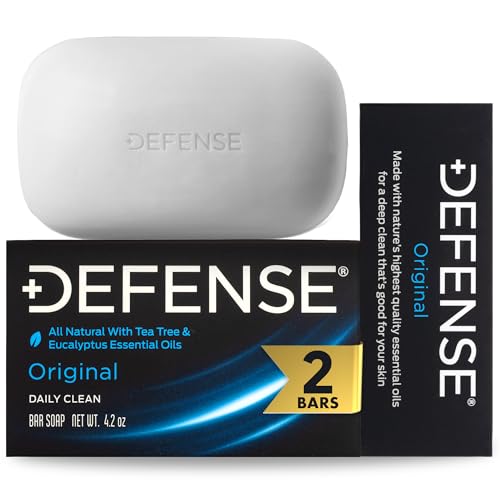
Defense Soap All Natural Tea Tree Bar Soap (2-Pack)
The most recommended post-training soap in BJJ — tea tree and eucalyptus oils fight mat bacteria naturally.
- Created by wrestlers specifically for combat sport skin care
- Tea tree and eucalyptus oils are natural antifungals and antibacterials
- Lathers well without drying out your skin
- A 2-pack only lasts about a month with regular training
- Slightly more expensive than regular body wash

Gold BJJ Submission Soap Bar
Budget-friendly tea tree soap alternative that works well for post-training skin protection.
- Similar tea tree formula to Defense Soap at a lower price
- Effective antibacterial and antifungal properties
- Slightly smaller bar than Defense Soap
- Less well-known brand in the BJJ community
Prices shown were retrieved from Amazon on Oct 8, 2026, 2:37 PM UTC. Product prices and availability are accurate as of the date/time indicated and are subject to change. Any price and availability information displayed on Amazon at the time of purchase will apply to the purchase of this product.